Show full transcriptHide transcript
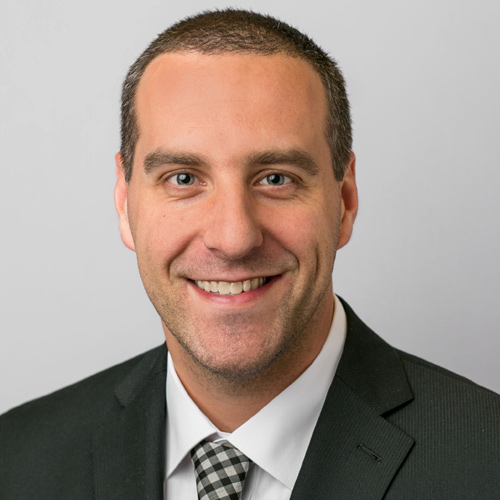
[00:00:00] Welcome to the Health Policy Podcast. I'm Brian Hyde. Today I'm joined by Jared Rhoads, who is the executive director of the Center for Modern Health. Jared, it's great to have you on the show. Tell us just a little bit about yourself and about your background. Yeah, well, thanks for having me on. Um, let's see where to, where to begin.
I, uh. I live in New Hampshire. Um, I'm a sort of a lifelong New Englander. Grew up in Massachusetts, you know, born and raised there, and went to school in Massachusetts, but, uh, moved up to New Hampshire about 14 years ago or so, um, to, to relocate and, uh, and, and enjoy the life up here. Um, I teach, uh, health policy at, uh, at Dartmouth in the MPH program there.
So the, the graduate, uh, program, that's the, the Master of Public Health Program teach a couple of courses in health policy as well as, uh, advise on and, and, and, um, act as a mentor on, uh, some of the, the graduate students, um, individual research projects. I've been in and around the think tank world for a long time.
You know, I had, um, some [00:01:00] affiliations and done some projects with the Mercatus Center at George Mason University. Um, I've worked with, uh, done some projects with like the foundation for gov for government accountability, FGA, um, done some things with the Center for Ethics and Society at, um, St. Anselm here in in in New Hampshire.
Um, as well as, um. Uh, let's see, what did, oh, I, I had a, uh, recently I had a, um, uh, a little visiting fellowship at, uh, a IER. Uh, so, uh, 'cause they're, they're down the, just down the road. Uh, it's a, it is a three hour drive, but it's just, just due south, um, in, uh, great Barrington, uh, Massachusetts. And so, you know, worked with them and everything.
Um, I, two more quick things that I'll, I'll just say, uh, to, to sort of help, uh, focus I, I. I'm, I'm, although I'm in academia, I also had a, did a stint in industry, uh, and as a, in healthcare consulting and, and doing policy and sort of like tech, um, emerging practices kind of research kinda stuff. So I did that for like an early part of my [00:02:00] career.
Then the one other thing I, I always kind of need to say is, is I'm not clinical in any way, shape or form. I'm not, you know, not a, a a a doctor or a, any, any sort of, uh, clinically trained person. And I, no matter what you ask me, uh, I I will not give you medical advice that's not, you know, we're, we're, we're a policy outfit.
Um, so, uh, so don't ask me about, uh, your, your, your condition or your, you know, what, what med you, you should take for something. Um, we don't, you know, give out, give out medical advice. Actually, it looked like you're very uniquely qualified, uh, to, to talk about some of the, the big debates and the sub debates in health policy.
And I know that can be, uh, kind of a loaded, um, arena when it comes to approaching things. Um, let, let me start by asking you this, in, in, in matters of health policy, what do you see as some of the highest priority items that are currently under debate? Oh boy. Okay. So lots of ways to tackle that. Um. I'll let, let, let me say what, what [00:03:00] most think tanks do first.
Um, maybe that's a good way of doing it. I, I'll, I'll kind of dive into a couple of the sort of like hot topics and that sort of thing, but then what I, what really wanna do though is steer it back to some of like the higher level and almost like cultural or mindset kind of issues. 'cause I think actually that's, um, that's a, a, a big opportunity to, to actually.
Set a, set a set, a bigger change in motion. Um, so on the sort of ground level, what kind of like, you know, policies are getting, uh, debated right now? Um, you know, we're seeing lots of, um, uh, debate around health savings accounts, right? That this is, that, uh, that tax preferred way of, of, uh, saving for your own health and um, and being able to, you know, put aside money.
Um, uh, you know, without being taxed on it. And then, uh, let you know, eventually use that to, to, um, uh, cover your, your own health expenditures. There's a lot of good to that. Um, I'll, I'll also say though, and not to sort of, you know, uh, throw a, a, [00:04:00] a wet blanket on it, but it, there is a, I think. Um, despite all the good in that and, and, and how that could help, uh, uh, improve, um, healthcare.
I think it also is one of these things where we have to kind of manage expectations because just, you know, tweaking, like the contribution limit on it a little bit. Um, I mean those are all good things, but will it really like. Reform healthcare fundamentally? I don't, I don't think so. I wish it would. Like, I, I wish we could just say, Hey, let's, uh, let's, um, you know, bang on that drum a little bit, tweak that policy, make it better, um, you know, maybe take away some of the, the restrictions on it.
There, there's some things about like, well, if you're in Medicaid, it's kind of either difficult or impossible to, to get one of those. And, and there's, um, there's, like I said, there's the contribution limits and all, all sorts of like implementation details and policy lever that you can pull on that to, to.
To, to tweak them. But again, like I, I think, um, to make that like an even better idea, you need to kind of go to other, um, you know, change other things in healthcare. One of [00:05:00] which being like, uh, if we're going to give people more or let people spend more of their mo all of their money, and I think that's great.
Like, you know, to. To quote Mil Milton Friedman, right? He has, uh, you know, he, he said something like, uh, nobody spends money, uh, as carefully as, uh, as, as you spend your own money, right? The, the essence of it. Um, uh, and so I think that all that's true and I, I want people to be like engaging with, uh, uh, the market in that way.
But a lot of hospitals and clinic, you know, physician clinicals, uh, clinical offices and stuff, they're just not set up to even think about prices and like posting actual, you know, market oriented prices. And they're not even like thinking about. Competing with, uh, one another in that way. It's, it's just not part of their mindset.
And so I think there's like a deeper kind of mindset issue, um, that, uh, that, that we can, you know, work on, on, on, on convincing people, uh, to adopt, which then might make something like HSAs, you know, more effective. Um, maybe I'll pause there and, [00:06:00] and, well, you raised some very, you raised some very interesting questions here about, uh, um, the free market.
And, and modern, uh, health policy, because right now it doesn't seem like those two things mesh very well. Um, talk to me about, uh, um, why, why do we struggle to, to to have the free market work better or the healthcare work better with the free market? Lots of, uh, there's lots of premises like kind of philosophical premises I think that are, uh, infused in different parts of, uh, society and, uh, in different parts of the system as well.
You know, if you can go by profession, by profession and, you know, how do hospitals think of their role and how do physicians think of their role and, and then how do. People, consumers, patients think of their role in all this. Um, there's been a few, like, like I said, premises and, and ideas out there that have kind of thwarted, um, real free market, uh, kind of efforts and reforms along the way.[00:07:00]
Um, one of them you can think of is like, just the idea that maybe well, is isn't it true that markets don't work in healthcare? Isn't healthcare different, right? I mean, you hear this idea a lot. Um. You know, it's one of those things where there's like a small element of truth that, okay, yeah. Some things in healthcare are a little bit different, but it, it's not, I don't think it's a, a difference in, in kind.
It's a difference in degree. Um, there are, you know, for instance, there's this famous paper that people always come back to 1963 paper by Kenneth Arrow, an economi. To from Stanford. Um, you know, he makes a few observations about like, well, there's like information in asymmetry between you and your doctor.
You know, you know about yourself and your body and your conditions and your health, but the doctor doesn't know about that. You have to communicate that. On the other hand, you know, the doctor knows everything. Uh, there is about, about, about medicine and you probably don't know too much about medicine.
And so there's a, there's a, there's a, a, a gap there. It isn't that a problem. Um, again, [00:08:00] like that's, that's a fine thing to like just kind of observe if you're just sort of, you know, uh, recognizing some maybe slight differences, right? Like, we don't, we don't exactly have that in, in, in, in a, in a lot of things.
But we do have that in some things. It's not totally unique too. Uh, to healthcare. Like, I don't know anything about how my, my car engine works and, you know, if something goes wrong with my car, I'm bringing it to a, to a mechanic and I'm basically trusting what, you know, he or she says, uh, and recommends, you know, uh, so it's, it's really not as, you know, although that idea is out there and people just like can't seem to, to shake it, um, it's frustrating, right?
Because like we, there actually are. Uh, other examples where we deal with information asymmetries, you know, perfectly fine, right? Um, and we find ways around it. Um, and so, so like, that's just one of these kinds of, uh, uh, ideas. So there are others too. Uh, I'll, I'll name a couple others and we can, you know, dig in or, or, or talk about something else.
Um, you know, another one [00:09:00] is that, um, the, the idea that, uh, uh, like. Um, insurance needs to be the thing that we pay for healthcare with, like, for like all healthcare, right? And, and if you just have, if you just get people covered for something, that's, that's gonna solve everything. Um. And, and actually both, you know, to bring in like the, the political aspect of it.
Both, both political parties I think are guilty of this. Um, you know, democrats are sort of more likely to, to, to be looking at Medicaid and saying, oh, we just, you know, if, if we're concerned about the, the poor, um. Let's extend Medicaid, let's expand that and, you know, give them coverage and then they'll be, they'll be good on the, on the Republican side, they, they have like a, like kind of a, a similar sort of love with, with Medicare, honestly.
Um, you know, and they love, like Medicare Advantage, they see that as like a semi privatized version of Medicare. And, but it, but it kind of isn't. It's really just sort of like an outsourcing of certain government functions. Um, so anyway, [00:10:00] you know, regardless of kind of like political identity. There are, there's this, this idea that just more coverage.
More coverage, that's the solution. And there's, there's, there's problems with that too because, you know, not everything is, uh, you know, ought to be paid for by insurance. Um, the, just the, the simple observation that look, if, if something isn't really an insurable risk, like if you know you're going to be.
You know, you're going to need that, that service. It's what, what's, why are we bringing insurance into it? Where's the, where's the, the risk? Where's the uncertainty? You're supposed, you know, insurance is good for things that you, if you aren't sure that it's gonna happen, especially if they're, if they're really expensive and you, you know, it's not the kind of thing that you could normally.
Handle out of pocket, right? But, um, but the cost of everything tends to go up when you, uh, make it covered by insurance. 'cause now you're dealing with extra paperwork and the office has to submit a claim to the insurance company and somebody's sitting there reviewing it all, and maybe they're [00:11:00] accepting some of it and rejecting others and sending it back for more information.
And, and it, that whole process, uh, ends up making healthcare, um, just more expensive, not less. I have to ask, where did this separation of healthcare and free market, what can we trace it back to? Because I mean, I, I mean, I'm, I'm thinking back very simply, you know, the days of the country doctor making house calls and, you know, uh, taking care of people that way.
Yes, we've come a long way from there and, and we have a lot of things available to us that, that weren't historically available, but at some point there, there seems like there was almost a complete separation of the free market and, and healthcare. And I'm, I'm not sure how that happened. Yeah, it's sort of, um, gradually and in fits and phases.
Um, you know, if you're thinking about like the, the, the, the average like patient and average consumer, I mean, there's, there's, um, that's, that's been a, a, a kind of a long-term drift of, of that that view that, um, it's something that you should be, uh, [00:12:00] you know, something that you're responsible for yourself.
That was, that would've been like the old time view. Um, and that that has changed, right? People. More so think about, uh, like healthcare is like, you know, there's a whole movement, uh, to, to make healthcare right, which I disagree with. Um, you know, the, there's the, the idea that healthcare should be like, handled or, or supplied to or provided to you.
That's kind of this like background, um, societal, um, uh, trend, a secular trend there. Um, uh, you can also look at, um, like how the profession, how the professions have changed too. And some of that has, has, uh, played, certainly plays a role in this. Um. You know, not to get into like the, the, the, the detailed history of it, but there, there were moments in time where, um, you know, doctors did, did sort of see themselves as, uh, you know, providing that, uh, that, that one-on-one service, the country doctor that you, uh, mentioned, you know, the, the house calls that sort of thing.
And you, and you [00:13:00] go, you get paid, you get paid on the spot, out of pocket, you know, may, maybe it's with chickens because you're dealing with somebody who doesn't write. There's the classic things like that. Um, you know, it kind of barter kind of stuff, right? And, but then, but there's been certain, um. Uh, kind of like v views of themselves, where doctors would say, oh, and, and that's good, but we don't think that we wanna become corporatized because, uh, you know, if we, if we get together and like, and try to scale up, you know, like form, like a, a, a bigger group practice and, and like, you know, maybe we'll get some efficiency that way.
Where whereas the rest of sort of like business and industry. Found ways to scale up and become like more efficient. And, you know, just think of like, you know, I don't know the car manufacturers or the big tech manufacturers today, like those, those are big companies and big corporations, they found a way to do, to do that.
Well, doctors have always sort of been, you know, uh, are reluctant to to go that way. They, they thought that was corrupting, um, and. [00:14:00] It's, it's too bad that we can't have a a or, or that we never sort of grew into a system where we would just have a variety, right? Because like if, if you are a physician and it's your preference to practice in a solo practice, I mean, there's nothing wrong with that.
You know, you should be able to do that. But if you're a physician and you'd love to start like a, a, a larger group practice and, and get some, you know, team up with other doctors and, and do that, like, like why can't we have a little bit more of that and we, why don't we have a, a broader. Variety, um, of that.
And it's, it, like I said, it's kind of traceable a lot of times back to these moments in time and where, where things shifted in the, in the profession, um, as well. I'll, I'll say one more thing that I'll just say. It is a, it is kind of a, to anybody who you know, doesn't, um, follow, you know, healthcare or policy, uh, and, and sort of like history of medicine stuff super closely.
It's also worth noting that, um, it wasn't really up until. Most like historians will say like, it wasn't really up [00:15:00] until like 1930s or forties where going to the hospital was likely like more likely than not to help you. Um, you know, because medicine is this thing that was evolving. Medical science was, was this thing that was evolving over time as well.
Um, and you know, there, there's some days. You know, pre 19, let's say 40, where, you know, if, if you were sick and stuff, you, you might, as you know, it was, it was a coin flip. Whether, um, whether seeing a doctor in a hospital was going to make you better or worse. Um, 'cause we, we've, we've had to come a long way to, uh, to get the, the, the medical science to, to keep pace with, um, you know, all the, all the other kind of amazing things that, um, that capitalism has, has given us in, in, in the general economy.
Jared, one of the things that, uh, that comes to mind too, as you're describing this historical shift is the, the cost of compliance. I mean, I, I had a friend whose, uh, whose wife was managing a doctor's office here. This is, this was like 10 years ago, but I remember [00:16:00] the, in order to comply with all of the insurance codes and have someone who could accurately keep records and, and submit these so that, uh, claims could be paid and so forth, that was a full-time job.
And, and as their office was switching over to a new system. It was, I mean, it, it shut down everything, at least temporarily while they, um, came into compliance. And I, I, where does the bureaucracy come from? Is that, is that a product of, uh, you know, good medicine or is that a product of, uh, maybe getting a little too close to the state and starting to take on some of its characteristics?
Uh, yeah, it's, uh, it, it really is the, the, the ladder there in, in that, in that, uh, in that, in that example, um, you know, complying with, um. So the, the, the system as it is and as, as the, the, the incentives have been set up for it to be too. I mean, that's, that's the other thing. Like there's, there might not be a government rule that says like you need to have a person, um, you know, dedicated to, uh, to, to, [00:17:00] to some of that.
But it, it sort of becomes necessary if you're going to be seeing Medicare patients and Medicaid patients and private patients. And, um, it's. With, with all. So all these different kinds of, you know, systems and billing and kinds of, uh, um, uh, practices and everything, and all these details that, that you have to follow, um, that does add to the, to the, to the cost of it all.
It's, it's, it's unfortunate. It's also hard, um, for, for clinics and practices and, and, uh, um. Uh, and, and providers of various types to, um, to sort of carve out niches, which I think we would see more of if we had more of a free market. Um. There are, you know, there are such things as like cash pay, uh, cash only, direct pay, uh, uh, uh, you know, physicians, that, that would actually be more of like the direct primary care kind of, um, uh, movement, which is a, a, a neat thing that's taking off.
It's, it's probably limited in some way, but it's a, it's a, it's a great, [00:18:00] uh, it's a, it's a great alternative. Um, and then certainly, um, there's like cash pay, uh, you know, cash only, um, ambulatory surgery centers. That do a good job of, you know, you need that sort of medium level, um, uh, like a, a, you know. Your knee procedure or something like that, and you go and you, you can, you can get that done.
You can get a real price on that. You know, something that, you know, going in and it, and it's not gonna be a, a surprise price. Um, and you can, uh, and, and those are the part of the reason, which get back to your question. Part of the reason that like you can get a better than than average price, um, at a cash only place is because.
It's, it's a very simple transaction from that, you know, they, they can just focus on the medicine. They don't have to focus on all these other things. Um, and having the, you know, multiples. You know, staffers out front, you know, handling all the paperwork. 'cause the paper there, there is no paperwork. It's, it's a very simple, you know, it's as easy as like, you know, buying something at the grocery store.
That's a pretty good sell by the way [00:19:00] of, of, of the, that's a system I would, I would much rather see. Um, we're, we're coming up quick on the end of our segment, but, uh, Jared, before we go, talk to me about the Center for Modern Health. Um, what it is and, and where people can find it. Yeah, so, uh, center for Modern Health is the, the think tank, um, that I've got going.
Uh, we, we founded it, um, uh, a couple years ago and, uh, we've got a, a team of a couple of people on it. So it's not just a, not just a solo effort. Um, we've got a board formed and everything and, and, and experiencing some growth right now. We, um, we put out articles and put out, uh, we have a podcast of our own.
Um, and it's on center for modern health.org. Um, please check it out. You know, we, we are doing, we're doing the, the, the detailed policy kind of stuff, as well as this other stuff that I was talking about, um, at the, at the start of the, uh, of our conversation here where we're looking at shifting the, the [00:20:00] mindset of, of, of like the culture in at at large.
'cause I really think. The two of those need to come together. You know, if you just focused on, um, sort of like the, the high level philosophy kind of stuff, it's, it, then you, you, you sort of lose contact with the, uh, with the actual implementation of some of these ideas and stuff. And, and you need to, you need the, the two to be integrated.
And then if, I think if you totally focus on just like the, the, the real policy nitty gritty, but don't step back once in a while and think about like, well, what's causing the what? You know, why are we even in this particular. Problem the way we are. Like, it's really interesting to, to step back, to step back and then you can see other solutions and, and different ways of approaching it that I think will ultimately be more, uh, more effective for, for bringing us towards a, a free market, uh, health healthcare system here in the United States.
So, so that's where we are. Uh, center for modern health.org is the, is the website and we're, you know, on Twitter and XI should say, and, uh, and, and all the other various places. Um, so look forward to. Once [00:21:00] again, we're we're visiting with Jared Rhoads, executive Director of the Center for Modern Health.
Thank you so much for joining us on the Health Policy Podcast. Good thing. Thank you so much.