Show full transcriptHide transcript
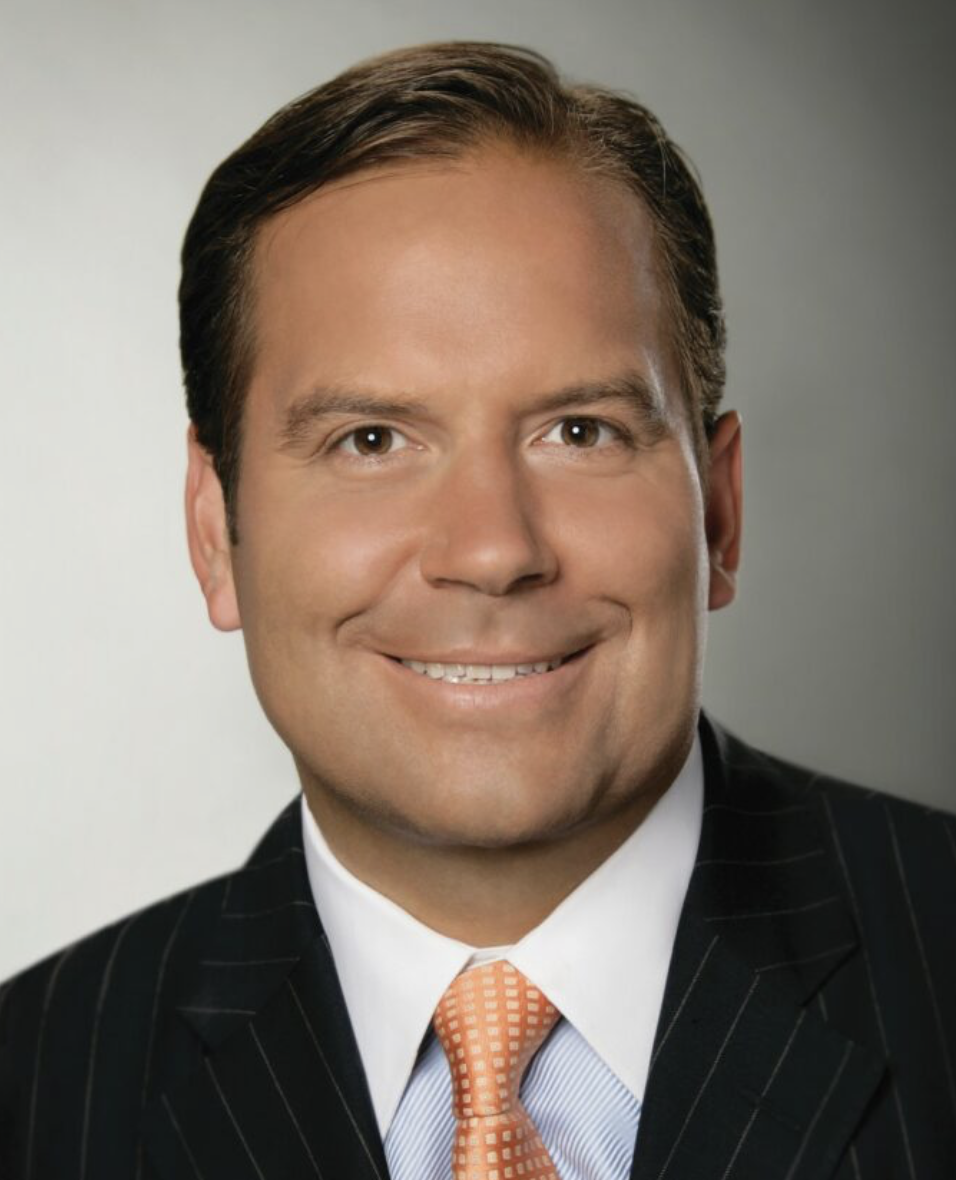
[00:00:00] Welcome to the Health Policy Podcast. I'm Brian Hyde, and today I'm joined by Steve Cortes, who's a former senior Trump advisor. But Steve, that's only one of many hats that, that you wear. You're also a documentarian. Take a moment here. Tell us a little bit about yourself and about your background. You bet.
Yes. Uh, and I'm, I'm lucky enough to be a documentarian and covering some of the most fascinating topics in America today from some of the most fascinating places. Uh, but as far as my background, just briefly, uh, I'm a finance guy, so I come from the world of capital markets. I was a Wall Street Bond trader for 25 years.
That led me just by chance into the TV world. I started talking financial markets and eventually went to work for CNBC. And that then kind of by chance got me into politics. When this orange guy came down the escalator in 2015, he very much won me over. And I was a known TV quantity though, not in the political sphere, in, in the markets arena.
And, uh, once I started saying really positive things about Donald Trump, he called me up and asked me to come work for him. And I figured it would be an interesting, [00:01:00] albeit brief 2016 experiment because there was no way Trump could actually win. Um, but I tried my hand to politics and sure enough. Uh, he won.
We prevailed and, uh, changed my life and ever since, I'm still in media, still doing a lot of television, but now it's all, um, about politics and public policy for me. So I'm, I'm thankfully blessed to be able to do documentaries that I find fascinating all over this country. Uh, for example, I was in the state of New Mexico, uh, showing one of the biggest wind farms in America and really exposing the folly.
Of wind power, uh, and what a scam it is upon this country. I called that one blown away. Um, and then I also, my most recent one that I did is on Maha on Make America Healthy Again, on the, the Maha imperative about how this is not just a political movement, although it is that, um, but it's something much bigger than that.
And, uh, talk to doctors and nurses, farmers, moms. About this grassroots movement that thankfully now, um, has earned the right to actually implement public policy [00:02:00] across this country. Um, I have some, some exciting upcoming documentaries coming too. I'm going to California to Pacific Palisades, which was one of the most beautiful places on planet earth, but unfortunately it was scorched in a fire that was totally preventable.
A fire that I believe happened largely because of the mismanagement of Gavin Newsom. And I'm gonna be showcasing how, unfortunately, the rebuild has also been a complete failure. By Gavin Newsom. So those are the, the kinds of documentaries that that I do. And, uh, luckily, uh, through the platforms that I have via television and social media, we're able to, to typically get really big audiences into the millions typically, uh, for these short form documentaries, I generally do in the neighborhood of 20, 25 minutes and try to convey important messages to people and give a platform to a lot of people, whether they're well-known experts or sort of just regular patriots out there in the country.
Who has something important to say about these really crucial topics? Steve, when President Trump was, was reelected when he started his, uh, second term last year, he hit the ground running on [00:03:00] so many different fronts, but it seems like one of the really big ones was the Make America Healthy again, agenda.
Talk to me about why that has, has caused so many waves and, and, and, and first of all, let's talk about why was it necessary. Right. Well, unfortunately it's necessary because America is chronically ill. That's just the reality. We're the richest country in the world and we're the sickest country in the world.
Um, and historically, right, those two factors would be, those two metrics would be inverted. Generally, the wealthy you are, the healthier you are. Uh, that is not the case right now in the world. It's certainly not the case regarding the United States. And you know, just to give you some of the. Unfortunately, very scary statistics, and I talk about these in, in the monologue, in the opening to my Maha documentary.
Half of us kids right now have chronic health issues. Half Wow. Uh, just a few decades ago, that number was 1%, 1% of children used to have chronic health, uh, issues. Now it's 40%, uh, excuse me. Now it's, uh, 50%, but 40% of young people are pre-diabetic. [00:04:00] Um, autism rates have gone from when I was young in the 1980s, one in 10,000.
Kids had autism one in 36 today. Um, looking at the other end of the age spectrum, not children, but looking at, at adults and the elderly life expectancy in the United States has been trending down for several years. Life expectancy just hit a 20 year low. Um, hopping back to young people, only 75% of young men are eligible physically and mentally eligible for military service in the United States, or excuse me, 75% are not eligible, 25% are eligible.
For military service in the United States. So, uh, we are spending a fortune, we're spending absolute record amounts on healthcare, and yet we're getting worse and worse outcomes. Um, and so, uh, that's why there's a necessity. That's the driving force that compels us to take a look at this. Why are we unhealthy?
Um, what's wrong with our healthcare approach, what's wrong with healthcare policy? And all of that helps to drive the MAHA movement, which like I said, [00:05:00] has a political. Lane and has a political application, but is not primarily a political movement. Uh, I believe it's mostly a a grassroots roots movement.
Uh, to make us, uh, into a healthier and happier people. I think there's a spiritual component to it. Um, and RFK JR talks a lot about this, uh, how we are called to be our best selves, which includes physical wellness, which includes physical vitality. Um, and we have come to an unfortunate place in America prior to this, the onset of.
This Maha movement where in America we were really just managing sickness. That was the prevailing healthcare model. Um, and the, uh, the unfortunate reality is we allowed far too many really toxic, bad inputs, primarily meaning bad food. So, uh, we became a nation that is largely addicted to ultra processed food.
So terrible inputs at the beginning. Combine that with not enough physical exercise, uh, not enough movement for most people. You then end up. With illness, how do we then treat it [00:06:00] Well, rather than trying to actually reverse the illness rather than trying to go to root causes to make people healthier? Uh, we treat it primarily through a pharmacological approach.
So, uh, great for drug companies, great for big pharma, not so good for individuals. Not good for budgets, by the way, either. It's not just that we're not being our best selves as human beings, we're not thriving the way we should as a society and as individuals. But also we can't afford this approach, so that, that, um, that unfortunate recipe of bad inputs in ultra processed food.
And then, rather than, than curing ourselves, treating sickness, managing sickness largely through pharmaceuticals. It doesn't work, uh, to make us a vibrant society, but it also doesn't work to make us a financially stable society. It's simply not a situation that we can, that we can finance very much longer.
So for a variety of reasons, there's a lot of momentum behind the Maha movement. Robert F. Kennedy, who of course ran in the Democratic primary, became one of the, uh, most ardent proponents of Donald Trump in the [00:07:00] general election. And this Maha movement has largely been grafted into and, and, and aligned with.
The MAGA movement. And what we're finding, which I think is very fascinating, is a lot of folks who wouldn't call themselves maga, who might not subscribe to America first, who may not even necessarily love President Trump, uh, they find a new home in our coalition because they do believe in Maha. They want to be healthier themselves.
They want healthier lives for their children. They want their children eating better food. Uh, they want less reliance on big pharma. So it's really become quite a, just a magnificent, wonderful, blossoming young movement, um, that's already having success, you know, after earning electoral, uh, victory and some of that victory, you know, particularly the popular vote win that Donald Trump was able to earn in 2024.
It clearly flows from this grand coalition that includes the Maha movement. Steve, I'm curious if, if part of the, uh, the move to challenge that, that orthodoxy that had set in, in modern medicine, how much of that do you think [00:08:00] is related to, uh, to the way that, uh, you know, big medicine responded to COVID, for instance?
Yeah, it seems like we, we were not only, you know, given bad information, but the voices that did try to speak out, uh, were systematically silenced. Yeah, Brian, you're exactly correct. So, uh, people like RFK Jr have seen these problems for a very long time, even pre COVID. But most of us did not, and I count myself in this, by the way.
I generally believe public health authorities. I generally thought Big Pharma was basically on our side and one of the best for us. But I think COVID was a, was a great reveal for, for very many people on a whole host of issues, but particularly when it comes to healthcare, to public health authorities, to the medical establishment because people realized that we were being systemically lied to.
Um, and that a COVID panic was manufactured for political reasons, for reasons to control our lives, for reasons to try to beat Donald Trump in the 2020 election. Um, and that science was thrown aside and it was [00:09:00] thrown aside largely, um, in place and in put in its place was what I call scientism. Um, and it's something that we explore a lot in my Maha documentary and Dr.
Robert Malone. Who I interview and for whom I have enormous respect. He talks really profoundly about the difference between real science and then scientism. And scientism uses some of the trappings of science. It uses some of the language of science, but it's really much more about a religion, a pagan religion, than it is about actual facts and regular scientific.
Inquiry in many ways, it's really very much anti-science. And what Dr. Fauci, for example, was promulgating, um, during those, the worst days of COVID. Um, what many politicians all over the country, people like JB Pritzker, uh, people like, uh, then Governor Cuomo, governor Newsom, uh, what they were promoting in the name of science was actually scientism.
And what I think they unwittingly did though, uh, you know, their actions were evil. They caused great harm to this country. Unfortunately harm that [00:10:00] in some ways will be irreversible, particularly when it comes to young people. But the one benefit, the one, um, silver lining to that very dark cloud is it opened a lot of eyes of, of millions of people.
I'm one of them, uh, around the country who said, wait a second. None of this makes sense. It's not backed by the data. It doesn't seem to be consistent with trying to control a virus. Instead, it's about controlling people and pushing a very toxic political narrative. And a lot of folks then got curious and once they got curious, they started researching more, learning more about the harms of ultra processed food learning.
For example, the medical establishment that the research done by the medical establishment is largely funded by the very producers of those harmful foods. Uh, that makes us to make us toxically obese. Um, and, and toxically. Sick. Um, and then, um, that big pharma largely controls the public health apparatuses of this country, including FDA.
So once we are sickened because of bad lifestyle choices and bad food, uh, we, [00:11:00] we then rather, again, rather than curing those illnesses, we, we simply manage chronic disease largely through pharmaceuticals. Um, so it, it's a system. Full of conflicts of errors, um, none of which really ultimately helps people live better, healthier, more vibrant lives.
And, and COVID if there's any positive outcomes from the COVID panic, it's that it, it really revealed that very corrupt system and that corrupt, uh, structure to a lot of people. And a lot of people, and again, I'm one of them, started paying attention and, and it got into. The, uh, the movement to eat better foods, to eat whole foods, to try to source things as much as possible from local farmers, from local growers.
Uh, to try to live lives that are free of unnecessary, uh, pharmaceutical interventions to not necessarily listen to the medical establishment, to groups like the A MA, the American Medical Association, um, or the pediatric associations, which historically I think were very good groups, um, but had become very politicized and very [00:12:00] dominated by political narrative rather than real science.
Um, and so this, this upheaval, um, while unfortunate. I think does ultimately have some really good consequences and some positive results. And the Maha movement has become the, the primary, uh, channel for that reform. And that reform is, is, is being pursued aggressively. I'll give you a concrete example of this.
Um, the dietary guidelines from the US government, which have prevailed for decades, uh, the food pyramid was essentially inverted, right? It was the wrong way, in other words. Um, and for a lot of reasons, most of which are corrupt. Um, it, it tried to push Americans towards a highly processed diet, um, and told you that animals and animal fat, for example, were bad for you.
Well, we now know scientifically that the exact opposite is true, uh, and that animal protein plus plants is really the best root toward, um, a really healthy diet. And, and so. Food pyramid has been inverted back to the correct way, um, now under RFK Junior. And that [00:13:00] has real effect, right? Because that's something that, for example, we were taught for decades.
People my age, middle age were taught for decades in school. Uh, and it was just wrong. It was based on bad science. And again, it was based on, on incentives that favored certain, uh, constituencies and political groups. Uh, but it wasn't based on actual nutrition and actual science. All of that is now being reversed.
Um, another very tangible outcome is the vaccine, the recommended vaccine schedule for children. Um, and, and RFK Junior is not anti-vaccine. I'm not anti-vaccine. Um, however. The, the full vaccine schedule for children in America far exceeds that of any other country, including advanced nations that have far better health, health outcomes, by the way, than the United States.
And so we have a vaccine, recommended vaccine schedule for infants and children. That now looks a lot more for what we see in peer countries in Europe. And by the way. Parents are still free to follow the old schedule if they believed in that. Uh, nobody's, nobody's mandating anything. Um, that's also a [00:14:00] key component of the new Maha movement is informed consent, um, that people, patients, parents should be informed of exactly what are the choices regarding treatments, uh, whether they're, whether they're pharmacological or not.
Um, you know, what are the potential side effects and then make an informed choice and that, uh, we are against mandates against mandating and enforcing any kind of what I call a medical apartheid because during 20 20, 20 21, even into 22, there really was a medical apartheid that descended upon this country where people had to choose between.
Their job, um, and getting a shot that they may not want or may not need. Uh, they had to choose between going to school or getting a vaccine that they don't necessarily want or they don't necessarily believe in. Um, that's wrong. It shouldn't have happened. It should never happen again. Um, and thankfully because of the Maha movement and because of the political victories that the Maha movement helped earn, we're seeing real reform in all of these really key, really tangible areas.
Um, and you know, outside of that, outside of the policy, Brian, I think this is important [00:15:00] too. I think we're just seeing a lot of Americans get motivated, right? They're just becoming, uh, better educated. I, you know, I know certainly this is the case for me, becoming much better educated about nutrition, uh, trying to take command of an, an agency over their own health, over the food they eat, the kind of movement they get, how much sunlight they get.
Uh, so thankfully just awareness, just motivation also has been really important. It's not just about the policies that's key, um, but it's also about changing the mindset. And I would even say this, it might sound silly, but changing the vibe to some extent. Uh, of saying, you know, what I'm gonna think for myself regarding my body.
I'm gonna really become educated on this informed, um, and I'm gonna become healthier through proven scientific methods. And a lot of that information is gonna come via these various Baha channels. And, and, and hopefully we get to a place where, where Robert F. Kennedy and his team of physicians, people like Dr.
Big Jay Bachar, who's outstanding. I think people like Callie means hopefully this team is going to be able to reform. [00:16:00] Public health authorities enough that many of us feel confident in the future. I don't think we're there yet, but that we feel confident in the future in saying, you know what? I am ready to again, listen to the CDC.
Uh, I will once again believe that the NIH actually has my best interest at heart, that they're truly about our health. And not about political narrative or not about incentives from, from far or Pfizer or Moderna. Um, you know, it'll be hard to get there. These are big organizations that were polluted, I think unfortunately, and corrupted over decades won't happen overnight, but I think we've at least begun that process of trying to regain that trust.
And by the way, that's not just my opinion. I do a lot of polling, Brian, and we know that trust in these institutions, which was sky high before COVID, the most trusted institution in America by many metrics, was the CDC, for example. It had a sterling reputation. Well, that collapsed during and after COVID.
And similarly for other related public health organizations, um, hopefully we can see those now. Dismal poll numbers start to recover, uh, a as those agencies earn the trust of [00:17:00] the American people back. And thankfully, I know we have the right people in charge of those agencies. People like Dr. Marty Ery. Um, uh, I'm not so sure the bureaucracy is ready to be reformed, but, but, uh, the process at least has begun.
Steve, I know that you, you had mentioned that making America healthy again. Um, is is not about just waiting until it's so serious that, okay, now we have to intervene medically. Uh, you talk about prioritizing prevention and upstream care, and I was wondering if I could get you to expand a little bit about that.
The term upstream care, I'm not familiar with what, what does that mean? Yeah. So, so exactly it means, in other words, let's not wait until you are sick enough, right? That you, that you need intense intervention. Let's not wait until you're sick enough to show up at the ER or to show up at your doctor's office, um, you know, not for a regular checkup, uh, but with something significantly wrong with you.
And then we simply, uh, we simply manage your chronic condition to make it livable, but not to make you truly better. And unfortunately that is the case for a large swath of American [00:18:00] society. In other words, they're healthy enough that they keep living, they are alive, um, but they're not truly healthy. And that's what the, the drug First Approach has done.
For millions and millions of Americans. Um, and unfortunately, all of the incentives within the medical, the current medical system, push doctors there and push patients there. So instead, what Maha says is, let's address root causes. So first of all, let's prevent disease as much as possible, right? Let's, and not just prevent disease, let's encourage, let's go even further than that.
Let's be as strong and vital as we can possibly be. Right? Let's be truly our, you know, our best selves. Um, and that doesn't necessarily mean that you're competing as an elite athlete. That is the case for some people, of course. Uh, but it means let's people to walk up a flight of stairs without losing our breath.
Uh, let's be able to pick up, um, a heavy plant in our yard and move it to the other side of the yard, um, without injuring ourselves. So, you know that that's the idea, is that to be that kind of healthy society and to eat the kinds of food and to engage in the kind of physical activity [00:19:00] where you live that kind of life, but inevitably, even if you are sort of following best practices.
People will still get sick, right? This is still a fallen world and illness will still descend eventually upon everyone. Uh, and once it does, you know, what is the approach there and what kind of care? Well, uh, in the prior era, the pre Maha era, it was much more, again, about managing symptoms rather than getting into that underlying cause.
And in the cases where we can reverse disease, uh, we need to reverse it. Now again, we can't in every case, uh, we're not saying people are immortal. Of course not. Um, ultimately we will get sick. But let's, let's push that date out as far as possible and let's live as healthy a life as possible until, uh, that date comes.
And, and by the way, you know, to that point, I think this is important too for older folks. Um, you know, it, it's not inevitable that the last 15 or 20 years of your life have to be miserable, um, or that you have to be ridden with dementia. Now is that going to happen to some people? Of course. Um, but does it have, have to happen at the [00:20:00] incidents that we have now?
No, it does not. I think the research is clear on that. Um, so even, even people of an advanced age, uh, can live a much more robust life than they, than they have been living. If we take this, this correct approach, um, to preventing disease. Um, and to reverse in it wherever possible rather than, uh, um, failing to pay attention to the inputs in your life, failing to pay attention to the root causes, and then simply managing diseases with drugs.
Um, and, and keeping you in a state where, again, you are alive, but you're not happy and you're not thriving. Too many Americans have succumbeded to that, you know, that reality. And, and on top of it, Brian, this is important. What's most important is, is taking care of human beings, right? That's the most important part.
But also. There's a financial reality here, an economic reality, we simply cannot afford it. We simply cannot afford the trajectory we, we are on, given the aging demographics of society and given the amount of money that we are already spending on [00:21:00] healthcare, uh, which is already the biggest single driver of our $38 trillion in federal debt, if we continue on the pre MAHA trajectory of healthcare spending and healthcare policy, it will literally bankrupt this country.
So not only are we not being our best selves. We also simply can't afford it. Steve, where can people find your Maha documentary? Yes, please go to Cortes investigates.com. All of my documentaries are there. Cortes investigates.com. It is completely free. Um, I think you'll find that there's, there's stunning scenery.
We, we filmed most of it in the beautiful Virginia countryside and the farm country of Virginia. 'cause we really wanted to highlight good farm to good regenerative agriculture. So it'll be some stunning scenery, and I hope more importantly, some really compelling content that will, that will motivate you.
I've, I've been able to talk probably to a lot of people who have seen it. They said, you know what? I've gotten healthier since I've seen it. Um, or I'm going to listen to my doctor, but I'm going to also do my own research, [00:22:00] um, and, and, you know, uh, weigh and measure what I can find against what I hear from my physician.
So I, I'm always gratified of course, when I hear those kinds of comments. And then on top of that, that's the biggest thing is we want people to be happier and healthier. But on top of that, we also want this political movement to continue to grow. And I really believe that the biggest open, um, avenue for the.
For the Coalition to Grow for the patriotic, uh, populous coalition to Grow is via Maha, because that's where we get a lot of people who don't necessarily consider themselves to be all that political. If they are political, they may not call themselves all that conservative, but they really agree with us on this really important foundational issue of Maha.
And I hope and believe we're gonna continue to win, uh, adherence and, and earn support through this, uh, through this agenda. Again, we've been visiting with Steve Cortes, former senior Trump Advisor. Steve, thank you so much for joining us today on the Health Policy podcast. You bet. Thank you, Brian.