2026-10-20 · Taxpayers Protection Alliance
Ross Marchand Discusses the Threat of the USF "Tech Tax" to Health Innovation
with Ross Marchand, Executive Director — Taxpayers Protection Alliance
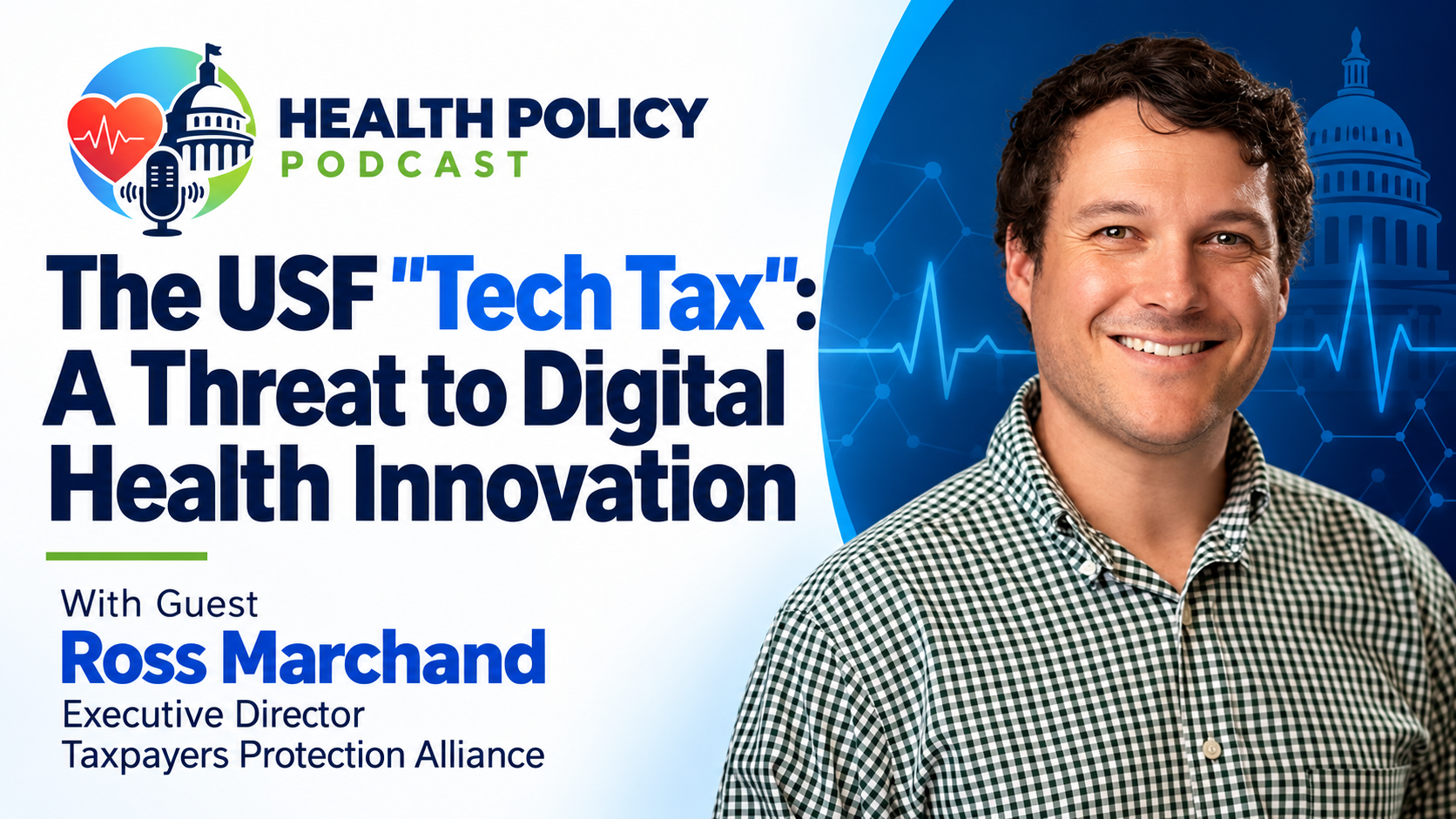
In the latest episode of the Health Policy Podcast, host Bryan Hyde interviews Ross Marchand, Executive Director of the Taxpayers Protection Alliance, about proposed reforms to the Universal Service Fund (USF). Marchand argues that expanding taxes on digital health technologies could hinder innovation and accessibility, particularly for rural healthcare. He emphasizes the need for lawmakers to focus on reducing spending rather than increasing taxes to support the USF.
The USF "Tech Tax": A Threat to Digital Health Innovation
Ross Marchand Discusses Universal Service Fund Reforms and Digital Health Innovation
In a recent episode of the Health Policy Podcast, Ross Marchand, executive director of the Taxpayers Protection Alliance, addressed concerns regarding proposed reforms to the Universal Service Fund (USF) and their implications for digital health innovation. Marchand emphasized that these changes could hinder technological advancements in healthcare, particularly those benefiting underserved communities.
The USF, established in 1997 and managed by the Federal Communications Commission (FCC), aims to enhance connectivity for all Americans, especially in rural areas. Marchand noted that the fund currently spends approximately $8 billion annually, with the costs passed on to consumers through increased phone bills. He argued that the government’s approach often leads to unintended consequences, stating, "The end result is usually the exact opposite" of what is intended.
Marchand highlighted a significant concern: the potential expansion of USF taxes to include digital services. He described this as a "tech tax" that would affect various healthcare-related technologies, including digital therapeutics and health management apps. "If these lawmakers get their way in increasing the scope of these USF contributions, all this innovation is going to come to a standstill," he said.
The discussion also touched on the critical role of digital health technologies in bridging gaps in rural healthcare access. Marchand pointed out that many rural residents face challenges in accessing medical care due to distance. He argued that digital therapeutics and telehealth services are essential tools for improving healthcare delivery in these areas.
Despite the pressing need for reforms, Marchand criticized lawmakers for focusing on increasing funding rather than addressing spending inefficiencies within the USF. He stated, "No one has asked, how do we reduce spending?" He called for regular audits and a reassessment of existing programs to ensure they effectively address connectivity issues.
The conversation also explored the implications of artificial intelligence (AI) in healthcare. Marchand noted that AI has become a valuable resource for many Americans seeking healthcare information without frequent doctor visits. However, he warned that increased taxation on tech services could stifle innovation in this area as well.
When asked about the FCC's authority to impose taxes, Marchand explained that while the FCC administers the USF, any significant changes to its funding structure would require congressional action. He urged listeners to engage with their elected representatives to advocate for sensible reforms.
Marchand concluded by stressing the importance of fostering innovation in the tech sector, particularly in healthcare. He warned that excessive taxation could lead to detrimental effects on both the economy and public health. "If we tax them to death, then America is going to kill the goose that laid the golden egg," he said.
As the debate over USF reforms continues, Marchand and the Taxpayers Protection Alliance remain vigilant in monitoring developments. They encourage public engagement to ensure that any changes to the USF do not hinder the progress of digital health technologies that have the potential to improve lives across the nation.
Interview Q&A
Q&A: The USF "Tech Tax": A Threat to Digital Health Innovation
Health Policy Podcast Q&A: The USF "Tech Tax" and Its Impact on Digital Health Innovation
Q: Who is Ross Marchand?
A: Ross Marchand is the executive director of the Taxpayers Protection Alliance, a nonpartisan nonprofit organization focused on holding the government accountable.
Q: What is the Universal Service Fund (USF)?
A: The USF has been in place since 1997 and is managed by the Federal Communications Commission. Its goal is to increase connectivity for all Americans, particularly in underserved areas.
Q: How much does the USF spend annually?
A: The USF spends approximately $8 billion per year, which is funded by phone bill customers who pay nearly 40% more on their bills due to these contributions.
Q: How does the USF relate to healthcare?
A: There is a proposal to expand USF taxes to include digital services, which could negatively affect healthcare apps and technologies, such as those that manage chronic conditions.
Q: What are digital therapeutics, and how are they impacted?
A: Digital therapeutics include FDA-approved apps and video games designed to treat health conditions. Increased taxation could hinder their development and accessibility.
Q: What is the current state of contributions to the USF?
A: Contributions to the USF have halved over the past 15 years, prompting lawmakers to seek ways to increase funding, often through higher taxes.
Q: How do these proposed taxes affect rural healthcare?
A: Digital technologies can help bridge the healthcare gap in rural areas, where access to medical facilities is limited. Increased taxes could stifle this innovation.
Q: What should lawmakers consider instead of increasing taxes?
A: Lawmakers should focus on reducing spending within the USF and conducting regular audits to ensure effective use of funds.
Q: Does the FCC have the authority to impose taxes?
A: The FCC manages the USF but cannot impose new taxes without an act of Congress. Any expansion of the contribution structure would require legislative approval.
Q: How can individuals advocate for change regarding the USF?
A: Individuals should focus their efforts on contacting their elected representatives in Congress, as any reforms to the USF will originate there.
Q: What is the Taxpayers Protection Alliance's stance on technology regulation?
A: The organization opposes excessive regulation and taxation of the tech sector, arguing that it could hinder innovation and negatively impact consumers.
Q: What do proposed reforms to the USF aim to achieve?
A: Proposed reforms aim to increase the number of taxes contributing to the USF, potentially leading to a broader tech tax that would affect all Americans.
Q: What is the key takeaway from this discussion?
A: The treatment of the tech sector is crucial for fostering innovation. Excessive taxation could stifle growth and harm consumers, making it essential to advocate for responsible policies.
Key takeaways
- “The government always says that they're gonna do something, and the end result is usually the exact opposite.”
- “If USF contributions are expanded to include tech, this is going to be a disaster for hundreds of millions of Americans, especially patients, and especially rural patients.”
- “Technology is increasingly bridging the gap. That's where these apps, that's where these video games, that's where these virtual services and telehealth come into the mix.”
- “An unspeakable idea... no one has asked, how do we reduce spending?”
- “If we tax them to death, then America is going to kill the goose that laid the golden egg, and it's going to chill innovation.”
About the guest
Executive Director — Taxpayers Protection Alliance
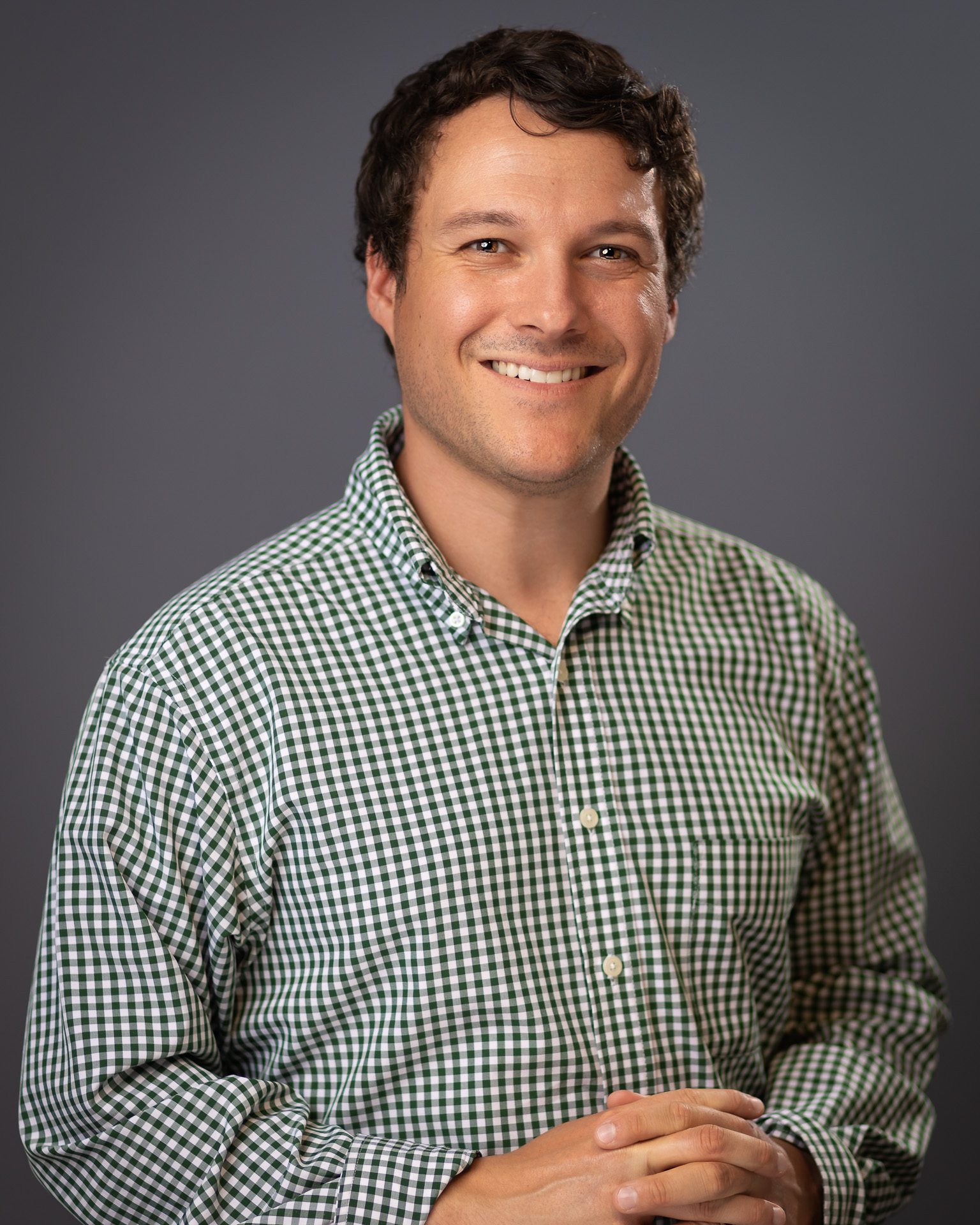
Ross Marchand is Executive Director of TPA. Ross is an alumnus of the Mercatus Center MA Fellowship at George Mason University and a graduate of the University of Virginia School of Law. He has worked on a variety of legal matters, including the Alaska-Hawaiian airline merger and the United States Postal Service v. Konan Supreme Court case. He has also authored policy briefs on a variety of issues, including multiple analyses on the legal and policy issues facing the Food and Drug Administration. His work has appeared in numerous publications including The Wall Street Journal, National Review, Forbes, The Denver Post, and the Washington Examiner.
Full transcript
Show full transcriptHide transcript
Filed under