Health Policy Podcast
FDA approval, Right to Try and patient access
FDA approval, Right to Try and patient access have become a central fight on the Health Policy Podcast, from drug repurposing and review times to experimental treatments for rare and life-threatening conditions.
The show has covered that fight in five episodes: an Aug. 20, 2026, interview with Christopher Snyder, a professor at Dartmouth College, on the FDA's exploration of drug repurposing and why generic drugs often miss opportunities for secondary uses after patent expiration; a July 21 interview with Terry Wilcox, co-founder and CEO of Patients Rising, on the gap between FDA approval and patient access to Alzheimer's treatments, including the importance of early diagnosis; a May 5 interview with Ross Marchand, executive director of the Taxpayers Protection Alliance, on challenges in the FDA drug approval process, a report titled "Blocking Breakthroughs," and recommendations such as regulatory reciprocity and provisional approvals; a March 17 interview with Jennifer and Maya Reinhardt on their fight to access experimental phage therapy for cystic fibrosis and the case for Right to Try 2.0, which they say would speed access to innovative treatments for life-threatening conditions; and a March 3 interview with Brian Norman, director of state affairs at the Goldwater Institute, on Right to Try 2.0 as a way to streamline the regulatory pathway so patients with rare diseases can reach investigational, individualized treatments, building on the original Right to Try Act of 2014.
Podcast interviews
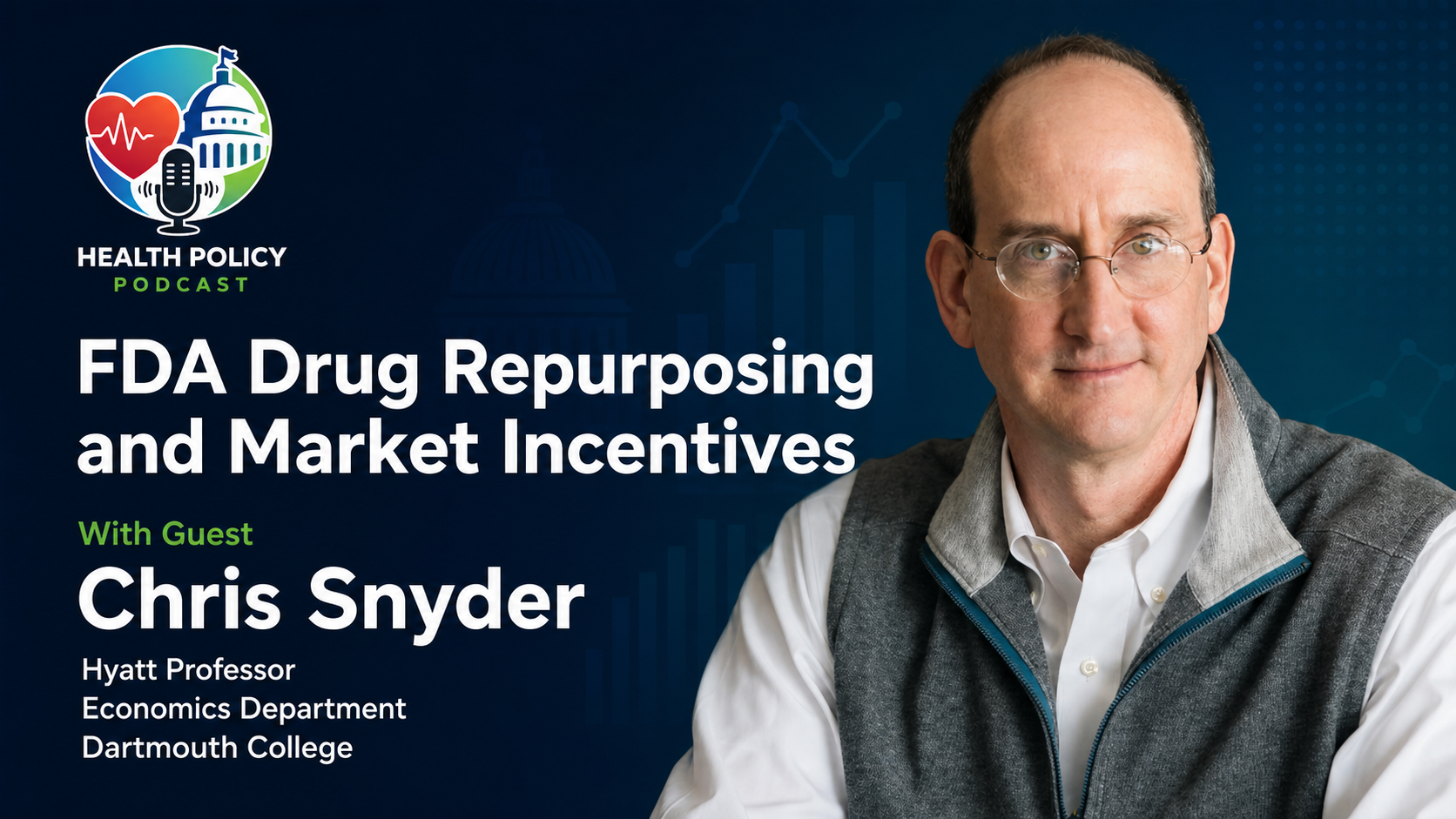
Chris Snyder Discusses FDA Drug Repurposing and Market Incentives
Christopher (Chris) Snyder
Generic drugs often miss opportunities for secondary uses after patent expiration because manufacturers lack a financial incentive, says Christopher Snyder, a professor at Dartmouth College, discussing the FDA's exploration of drug repurposing. Snyder explains how generic drugs often miss opportunities for secondary uses due to a lack of financial motivation for manufacturers after patent expiration. He also highlights the work of the Market Shaping Accelerator, a collaborative initiative aimed at enhancing innovation in public health and addressing market failures.
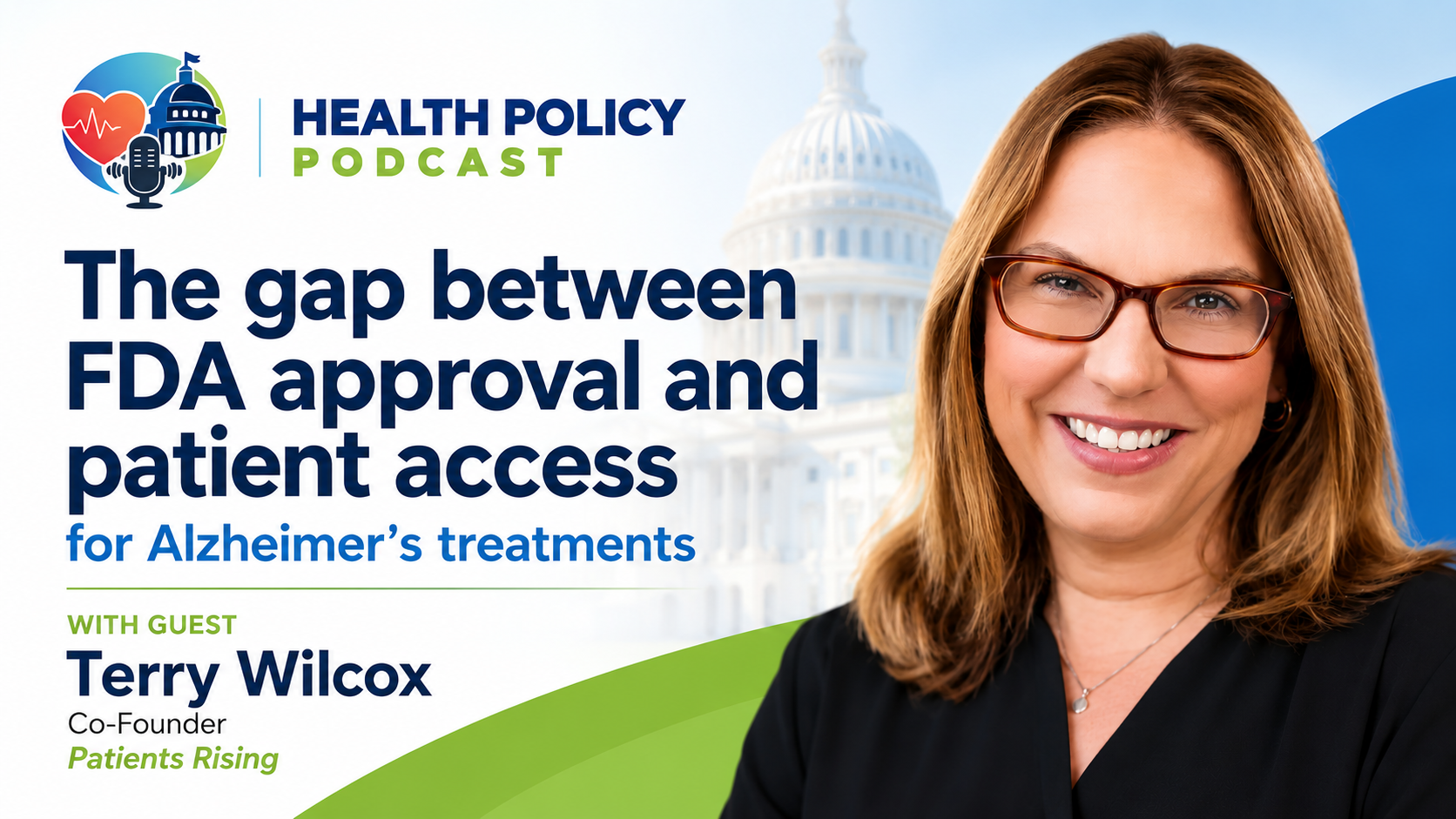
Patient's Rising's Terry Wilcox: The gap between FDA approval and patient access for Alzheimer’s treatments
Terry Wilcox
A gap remains between FDA approval and patient access to Alzheimer's treatments, says Terry Wilcox, co-founder and CEO of Patients Rising. Wilcox emphasizes the importance of early diagnosis and treatment for Alzheimer's, the challenges patients face in accessing these treatments, and the need for policy changes to improve care. She also shares personal experiences related to caregiving and the complexities of navigating healthcare for loved ones with Alzheimer's.
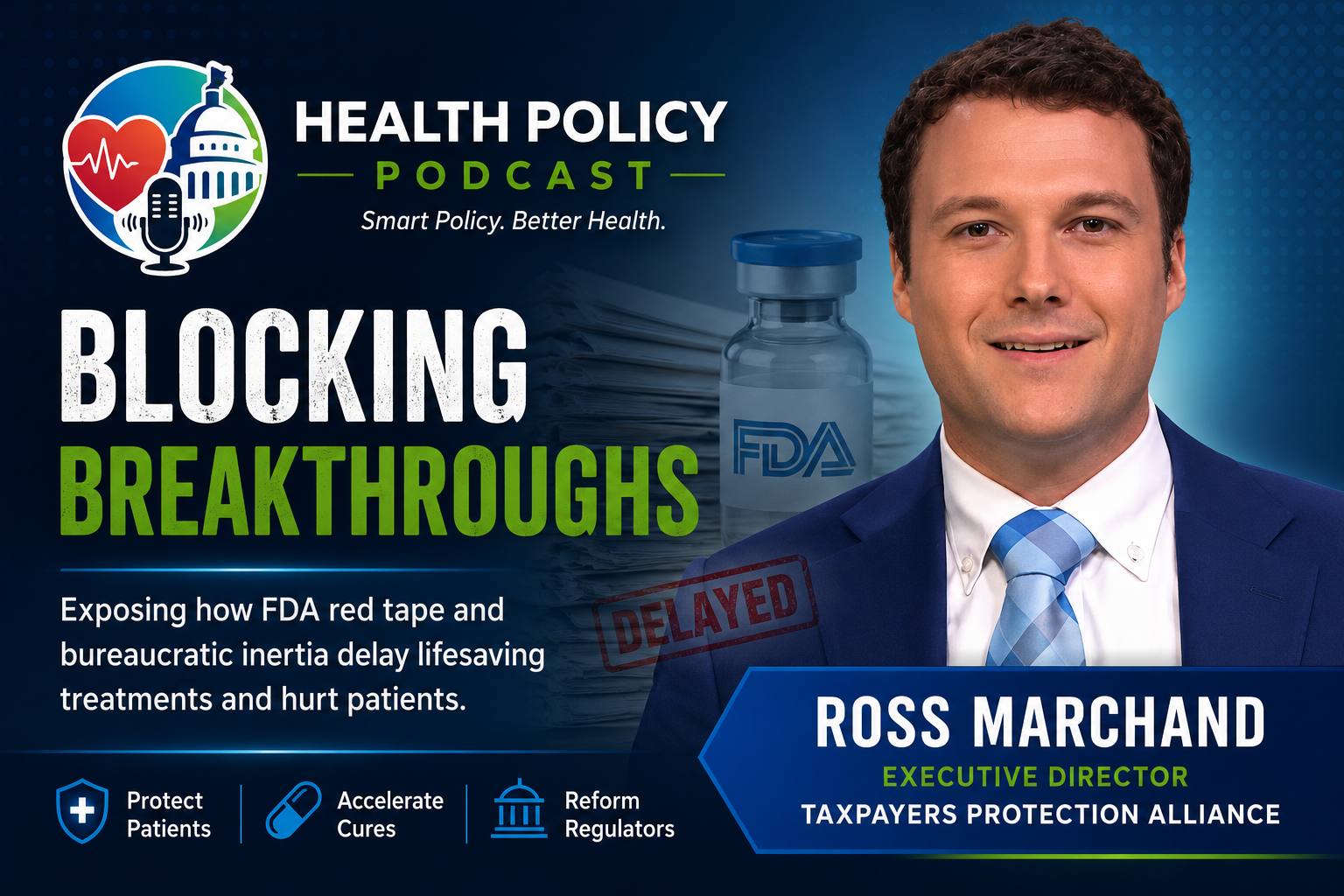
The Taxpayers Protection Alliance’s Ross Marchand Discusses FDA Drug Approval Challenges and Solutions
Ross Marchand
The FDA drug approval process has challenges and inefficiencies, says Ross Marchand, executive director of the Taxpayers Protection Alliance. Marchand highlights a report titled "Blocking Breakthroughs," which reveals increasing rejection rates for medications and rising evaluation costs, emphasizing the need for regulatory reforms to improve patient access to life-saving drugs. Recommendations include regulatory reciprocity with international agencies and provisional approvals for medications that meet safety but not efficacy thresholds.
Right to Try 2.0: Jennifer and Maya Reinhardt on cystic fibrosis and access to experimental treatments
Jennifer and Maya Reinhardt
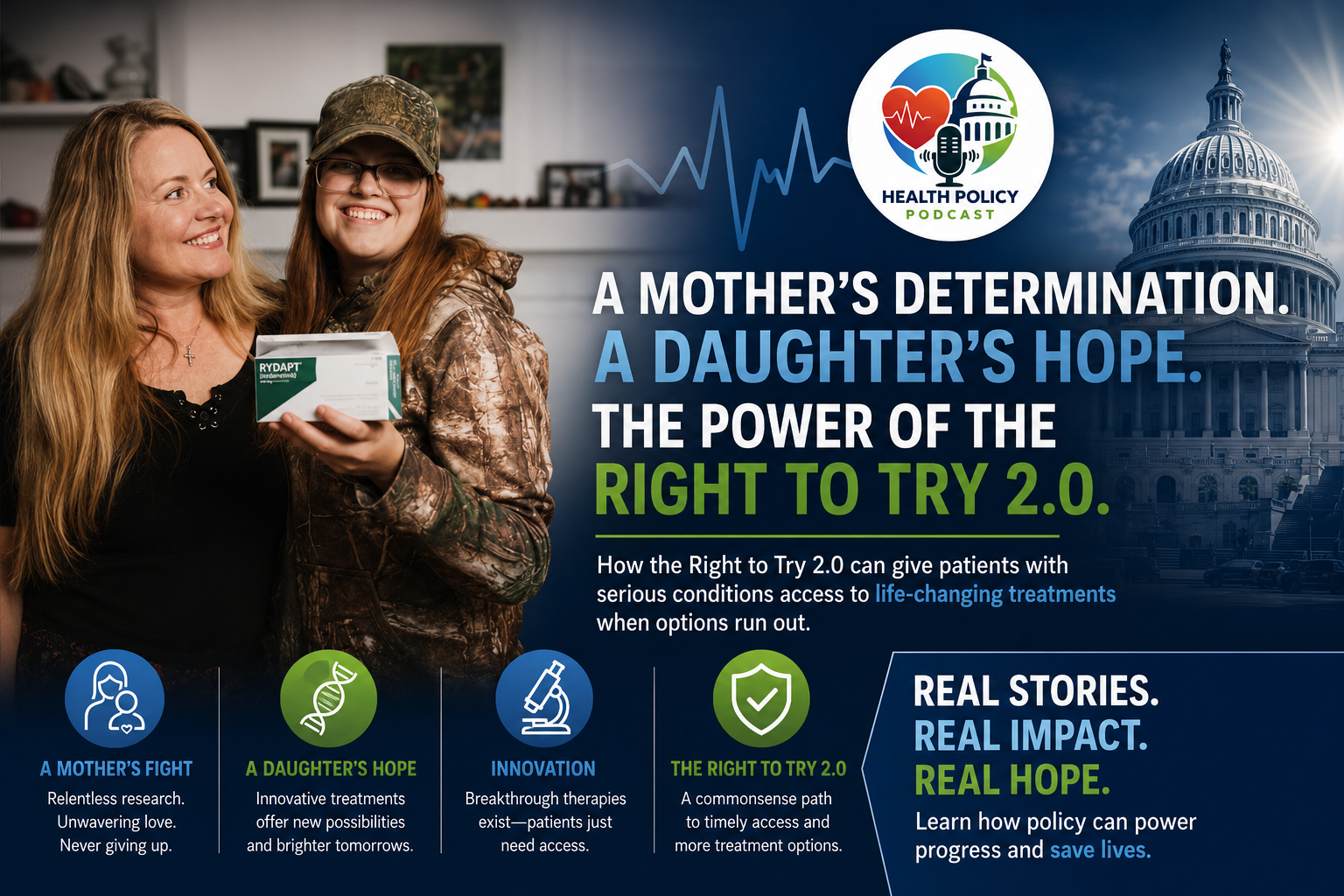
Jennifer and Maya Reinhardt describe their fight to access experimental phage therapy for cystic fibrosis and make the case for Right to Try 2.0, which they say would speed access to innovative treatments for life-threatening conditions. They advocate for Right to Try 2.0, emphasizing the need for expedited access to innovative therapies for patients with life-threatening conditions. The Reinhardts' experience highlights the importance of reducing bureaucratic hurdles in healthcare to improve patient outcomes.
Right to Try 2.0: Brian Norman of the Goldwater Institute on individualized treatments and patient access
Brian Norman
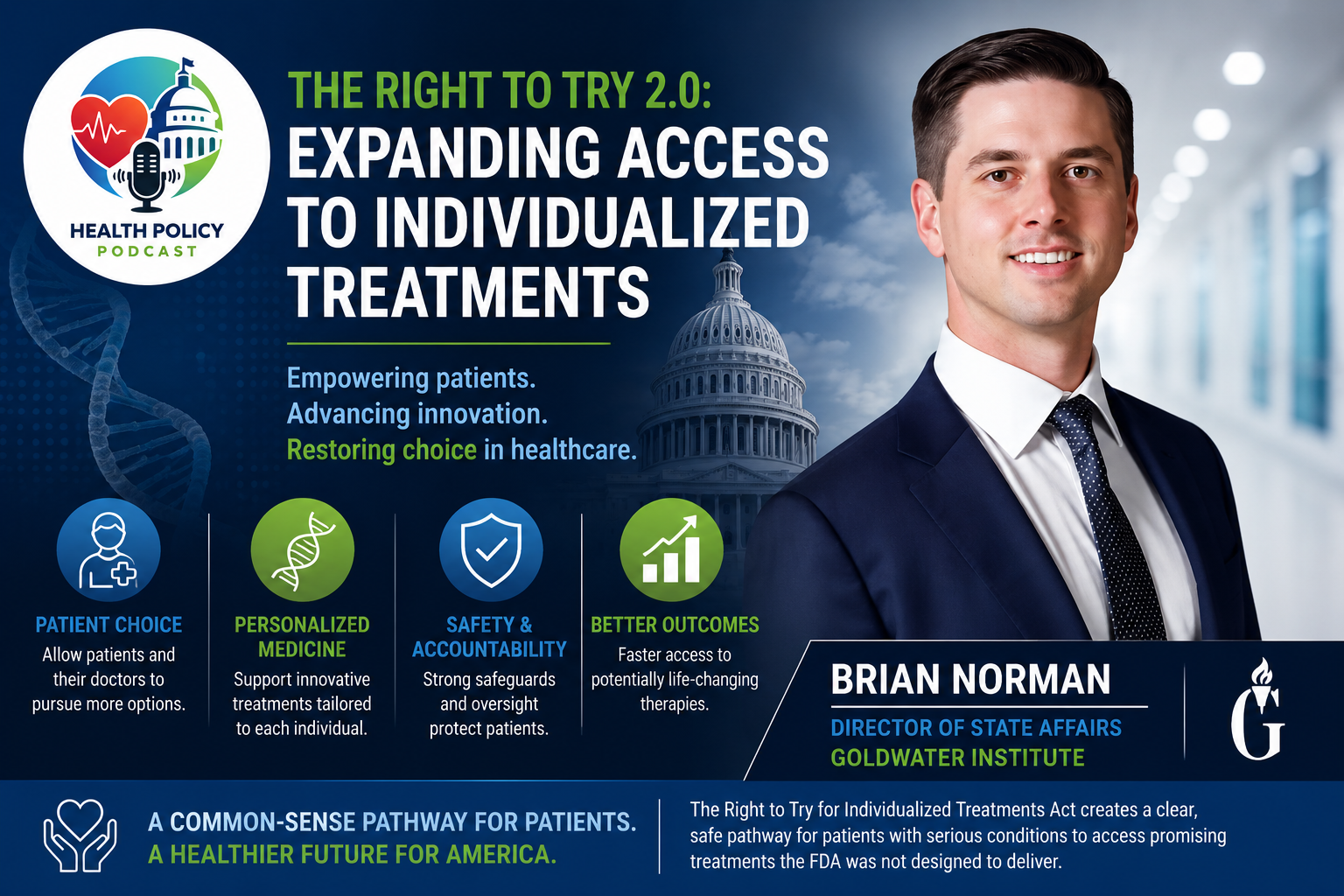
Right to Try 2.0 is meant to streamline the regulatory pathway so patients with rare diseases can reach investigational, individualized treatments, says Brian Norman, director of state affairs at the Goldwater Institute, building on the original Right to Try Act of 2014. The initiative seeks to streamline the regulatory pathway for patients with rare diseases to access investigational drugs, building on the original Right to Try Act established in 2014. Norman emphasizes the need for reform in the FDA's drug approval process to better accommodate personalized medicine and address the challenges faced by patients with limited treatment options.
Key quotes
“The idea is that often a drug that was initially discovered for one use or another actually has a second life as a different use.”
“There's a study that suggests that there might be hundreds as many as eight hundred missing treatments of generics.”
“We do not have a cure for Alzheimer's by any stretch of the imagination, but we do have a way to slow progression, and I think that's something to be celebrated.”
“If you want policy to pass, you need the right patient in front of the right legislator at the right time with the right story.”
“The FDA is always shifting the goalposts and they are always making up new excuses to deny patients access.”
“If a drug is good enough to get approval in those countries and those jurisdictions, it should be good enough for US approval.”
“If there's a treatment, you should be able to access it.”
“If your doctor approves this and they're willing to help you, let's go ahead and get this treatment that's individualized for you.”
“For rare and ultra rare disease patients, those mass market drugs are not getting the job done.”
“These are patients who are out of options and they need to try anything available to them to try to improve their condition.”
Related topics
- Healthcare Regulation →
- Healthcare Costs →
- Healthcare Access →
- Healthcare Reform →
- Patient Advocacy →
- Drug Pricing Programs →
- FDA approval and Right to Try →
- Patient Access to Treatments →
- FDA Drug Approval Process →
- Alzheimer's Treatments →
- Cystic Fibrosis →
- Drug Approval Process →
- Individual Liberty →
- Market Incentives →
- Right to Try →