
Health Policy Podcast
Treatment-resistant depression and mental health policy
Treatment-resistant depression and mental health policy have become a central theme on the Health Policy Podcast, from insurance barriers and diagnosis to emerging therapies and informed consent.
The show has covered that theme in five episodes: an Oct. 27, 2026, interview with Michelle Cochran, MD, a board-certified psychiatrist and Distinguished Fellow of the American Psychiatric Association, on how insurance coverage, prior authorization and step therapy rules can keep evidence-based care out of reach for patients with treatment-resistant depression; a Sept. 8 interview with Dr. Augustus John Rush, professor emeritus at the National University of Singapore, on accurate diagnosis, personalized treatment and emerging therapies such as transcranial magnetic stimulation and vagus nerve stimulation; an Aug. 27 interview with Jennifer Cutler, a partner at DCI Group, on psychedelic treatments for conditions such as PTSD and depression moving from FDA review to the states, where implementation remains difficult even after federal approval; a June 23 interview with Mark Desmarais, a principal at Health Management Associates, and Dr. William Sauvé, chief medical officer at Osmind, on a report that people with treatment-resistant depression incur about $8,000 more in annual healthcare costs than those whose depression is well managed; and a May 26 interview with Ellen Lubensky, an attorney and mental health reform advocate, on informed consent and transparency in psychiatric medication prescriptions.
Podcast interviews
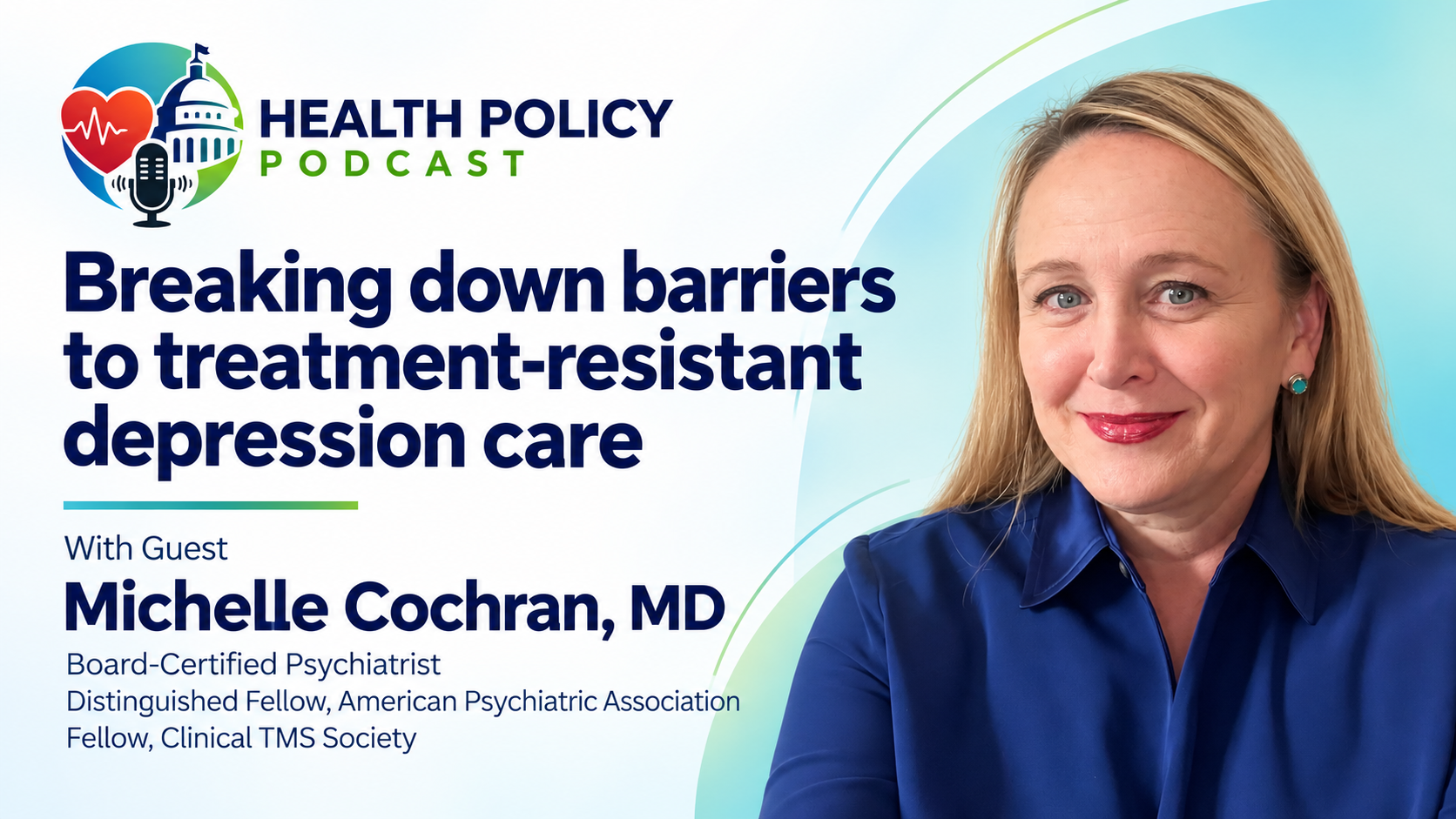
Breaking down barriers to treatment-resistant depression care with Dr. Michelle Cochran
Michelle Cochran, MD
For patients with treatment-resistant depression, finding a therapy that works is only half the battle. Insurance coverage, prior authorization and step therapy rules can keep evidence-based care out of reach. In this episode, we speak with Michelle Cochran, MD, a board-certified psychiatrist, Distinguished Fellow of the American Psychiatric Association, and Fellow of the Clinical TMS Society. She is an internationally recognized expert in Transcranial Magnetic Stimulation (TMS) and treatment-resistant depression (TRD). As former President of the Clinical TMS Society and former Chair of the American Psychiatric Association Caucus on Neuromodulation, she advocated for TMS access through payer negotiations, professional organizations, legislation, and patient legal action. She began her career providing electroconvulsive therapy (ECT), introduced TMS in her practices in 2011, added vagus nerve stimulation (VNS) in 2019, and developed a physician-led, multi-location psychiatric practice in Tennessee. Dr. Cochran serves as President and Chief Medical Officer of Synaptic PSYCH and lectures and consults internationally on advancing evidence-based care for TRD. Dr. Cochran discusses why clinicians need multiple treatment options, how coverage barriers delay recovery for patients and their families, and what lawmakers and payers can do to expand access to mental health care.
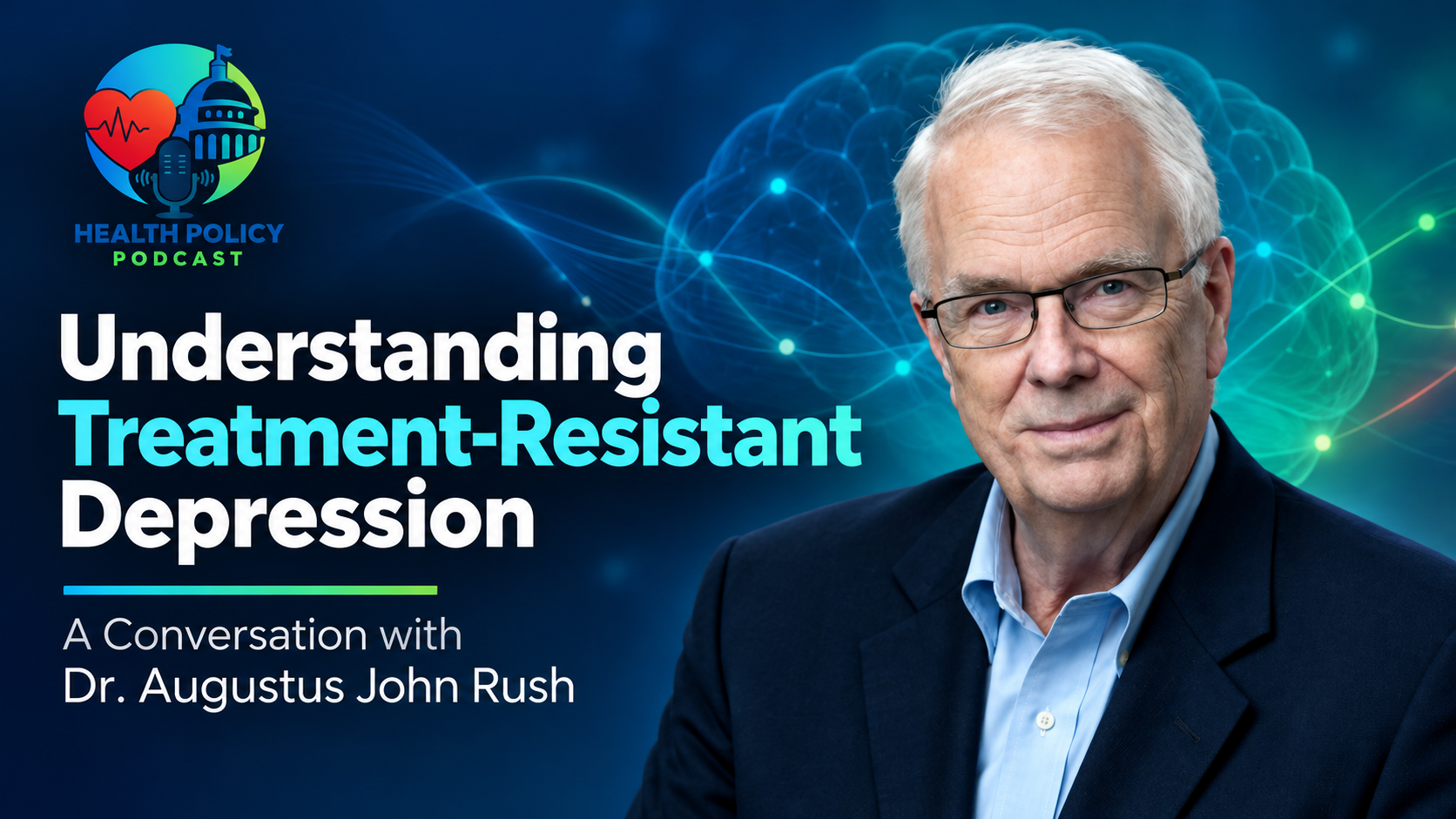
Treatment-resistant depression: Dr. Augustus John Rush on diagnosis, personalized care and emerging therapies
Dr. Augustus John Rush
Accurate diagnosis, personalized treatment and emerging therapies such as transcranial magnetic stimulation and vagus nerve stimulation are central to advances in treatment-resistant depression, says Dr. Augustus John Rush, professor emeritus at the National University of Singapore. Dr. Rush shares insights from his extensive career, emphasizing the importance of accurate diagnosis, personalized treatment strategies, and the role of emerging therapies like transcranial magnetic stimulation and vagus nerve stimulation in managing TRD. He highlights the evolving understanding of neurotransmitter systems and the significance of patient-clinician relationships in improving treatment outcomes.
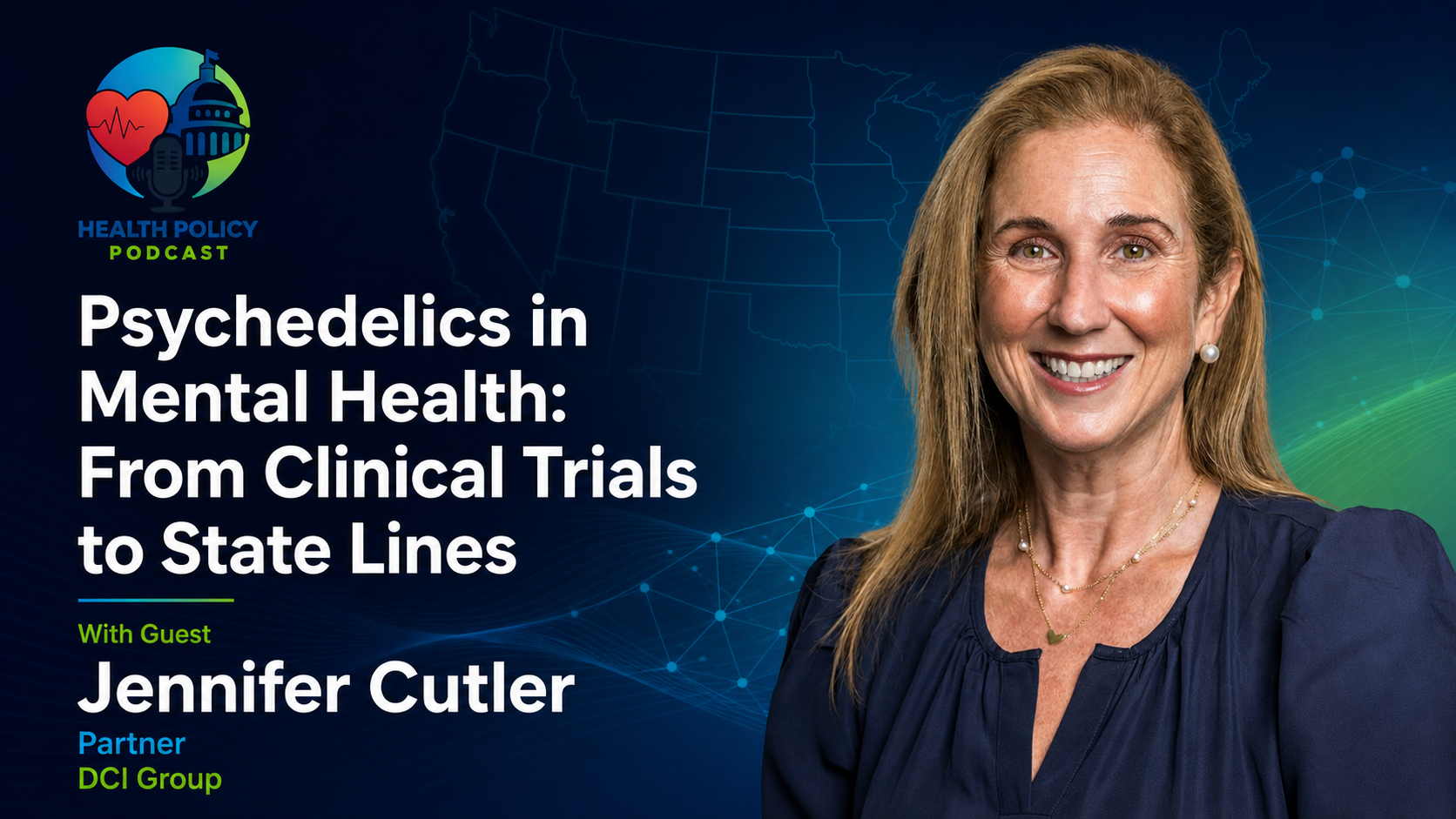
Psychedelics in mental health: Jennifer Cutler on the path from clinical trials to state lines
Jennifer Cutler
Psychedelic treatments for conditions such as PTSD and depression are moving from FDA review to the states, where implementation remains difficult even after federal approval, says Jennifer Cutler, a partner at DCI Group. She highlights the FDA's role in approving various psychedelic products aimed at conditions like PTSD and depression, while emphasizing the challenges states face in implementing these therapies after federal approval. Cutler notes the bipartisan support for mental health initiatives, particularly for veterans, and identifies states like Colorado and Illinois as leaders in legislative progress regarding psychedelic-assisted therapy.
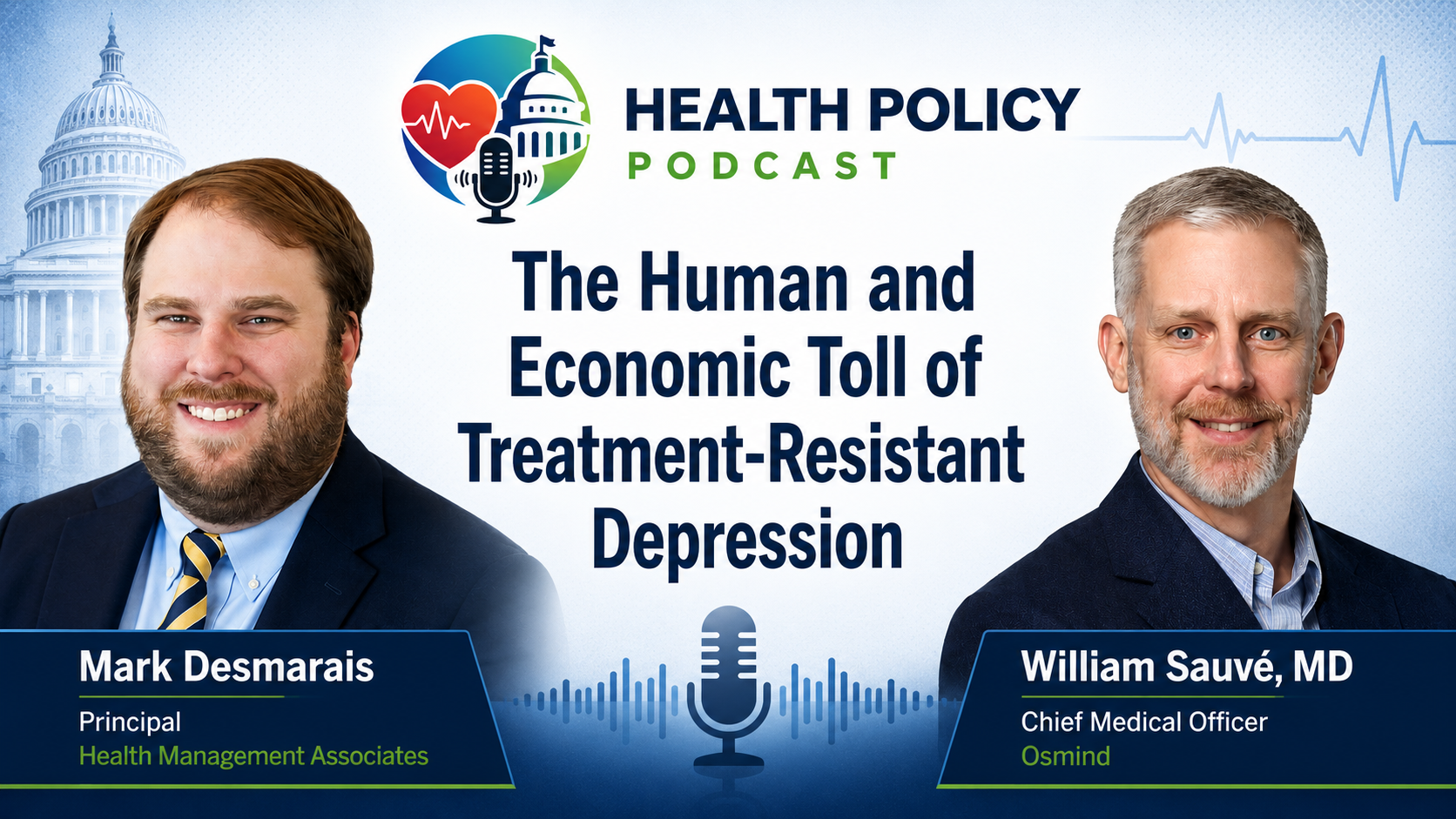
The human and economic toll of treatment-resistant depression, with Mark Desmarais and Dr. William Sauvé
Mark Desmarais
People with treatment-resistant depression incur about $8,000 more in annual healthcare costs than those whose depression is well managed, according to a report highlighted by Mark Desmarais, a principal at Health Management Associates, and Dr. William Sauvé, chief medical officer at Osmind. Desmarais highlights a report indicating that individuals with TRD incur approximately $8,000 more in annual healthcare costs compared to those whose depression is well-managed. The conversation also addresses the challenges in diagnosing and treating TRD, emphasizing the need for timely and aggressive interventions to improve patient outcomes and reduce overall healthcare expenditures.
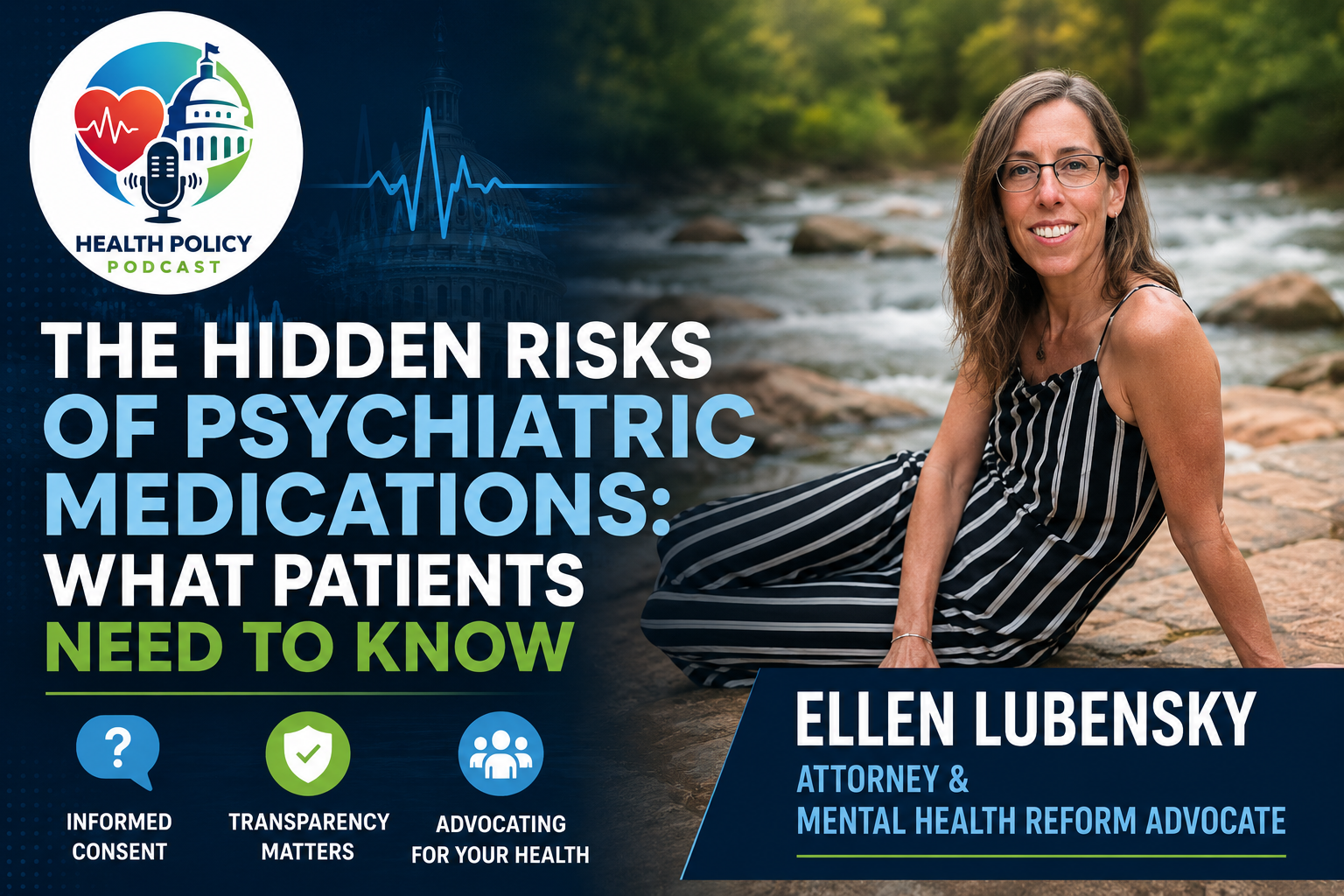
Psychiatric medications and informed consent: Ellen Lubensky on mental health reform
Ellen Lubensky
Ellen Lubensky, an attorney and mental health reform advocate, discusses the importance of informed consent and transparency in psychiatric medication prescriptions on the Health Policy Podcast. She emphasizes the need for longer patient appointments and better education for both patients and healthcare providers regarding the risks of psychiatric medications. Lubensky advocates for systemic changes to improve mental health care access and reduce stigma surrounding mental health issues.
Key quotes
“Patients with depression haven't failed the treatments. We would never say to a patient receiving cancer treatment that you've failed chemotherapy.”
“Individuals who are suffering from treatment-resistant depression really deserve timely access to the full spectrum of evidence-based options.”
“There's no the depression, there are the depressions, in my view.”
“I think the two major advances are TMS and vagus nerve stimulation.”
“FDA approval is a huge milestone, but by itself, it does not put a medication in patients' hands, especially not for controlled substances.”
“If a state hasn't done any of this groundwork in advance, here's what's going to happen: the FDA is going to approve a drug, patients are going to start hearing about it, but if the legislature isn't meeting for another 6 months, these patients aren't going to have access.”
“Individuals with TRD cost the system about $8,000 more each year than those patients whose depression is well managed.”
“It's having a human impact, but it's also good to remember that it's an economic impact, and that should incentivize everyone to really work harder to solve this problem.”
“I firmly believe that doctors should have transparency when they're prescribing them.”
“If I had known about the risks of psychiatric medications, I would never have ingested them in the first place.”
Related topics
- Healthcare Costs →
- Healthcare Access →
- Patient Access to Treatments →
- Treatment-Resistant Depression →
- Mental Health Policy →
- FDA Regulation →
- Mental Health Reform →
- Informed Consent →
- Insurance Barriers →
- Neuromodulation Treatments →
- Psychedelic Treatments →
- Psychiatric Medications →
- Psychotherapy →
- Veterans' Mental Health →