Show full transcriptHide transcript
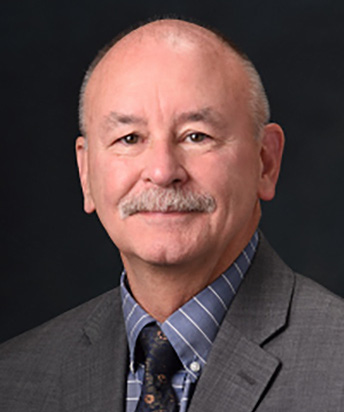
[00:02] Host: Welcome to the Health Policy Podcast. I'm Bryan Hyde, and today I'm joined by Dr. Andy McLean, who is a clinical professor of psychology— or psychiatry, rather— and behavioral science at the University of North Dakota. Dr. McLean, thank you so much for joining us on the program. Take a moment, if you would, to tell us a little bit about your background and about who you are and what you do.
[00:23] Andrew McLean: Sure. Thanks, Bryan. And yeah, I'm with the university system, although I'm here on my own accord, not representing the school. So I grew up in rural North Dakota where my dad was a country doc. And he said about half of what he did was mental health. He didn't know what he was doing. And so ever since then, I had a real passion for helping primary care providers in helping their patients. So I went to med school here. I did my residency in Madison, Wisconsin, did an MPH in Minneapolis. So pretty much I've been in the Upper Midwest, although I did— [Host: That's great.] practice elsewhere for a little bit. I was the medical director for our state's Department of Human Services, so overseeing the behavioral healthcare of institutions and clinics. Did that for many years. And then more recently, I've been with the medical school as the chair of the Department of Psychiatry and Behavioral Science and also an associate dean for wellness.
[01:15] Host: We have a very timely topic to dive into today. Earlier this year, Health and Human Services Secretary Robert F. Kennedy Jr. sounded a warning about dependency on antidepressants and other psychiatric drugs. In fact, I'd like to ask you, what exactly was he warning? Was he encouraging doctors to stay away from them or just cautioning them that perhaps they were being overprescribed?
[01:38] Andrew McLean: Yeah, you know, and I think it's tough to tell, to be honest, Bryan. He alluded to the fact that he knew of people who really struggled getting off of SSRIs. His quote was, it's tougher to get off than it is to get off heroin. And I think it started kind of the same And so my sense within the psychiatric and psychological community was kind of more of a backlash. But I know that SAMHSA has gathered people, you know, Substance Abuse Health Administration has gathered experts to talk about the issue. And I think there are some good things that are coming out of it. In particular, in medicine, I don't think we've done a great job in terms of informed consent. And in fact, I think the VA system has now just come out with new policies in terms of requiring a good conversation about prescribing. You know, I think that certainly there are also people who struggled getting off of antidepressants when it was time for them to come off for whatever reason. And I think that there's something to that too. There are some antidepressants that definitely it is more difficult to come off of, particularly if you go cold turkey. So I think if we looked at it from We need to be sure that we're having good discussions about the risks, benefits, and alternatives to any treatment, including antidepressants. I think that's a good thing.
[02:56] Host: Let's just— to put this into perspective, when it comes to the number of Americans who are on, you know, this type of medication, I understand it is a fairly high number, you know, compared to all the other medications that are prescribed. Can you kind of give us a feel for how many Americans are actually on antidepressants?
[03:13] Andrew McLean: Well, I think in a given year, probably about, 10 to 15% of people and maybe even higher will have major depressive episode. And so many of them will end up on antidepressants. Many of them will have recurring depression. So you might have one person who they're counting more than once because, you know, they've had to go back on treatment. And so it is a fairly robust number up to as high as 20%, and particularly with young people. Younger generation, there's been much higher numbers as well. So it's not a small number for sure.
[03:48] Host: And let's talk a little bit about where these types of prescription drugs come into play. You know, to a person who's not familiar with it, it may seem, well, you know, you tell your physician or tell your mental health professional, you know, I have depression, and even mild depression, they're going to prescribe it. But talk to me about the difference between mild and severe. depression?
[04:07] Andrew McLean: Sure, sure. The, um, in terms of where they are prescribed the medications, it may be that you're in the emergency room and, you know, you, you make mention of depression, or you happen to actually have a substance use disorder which is really driving your mood problems. And until that's treated, um, you know, the medications may or may not have an impact. So first question is, are, are they, um, coming into places where they'll get a good evaluation? Because as you mentioned, it's pretty easy to just prescribe medications. And, and that was my point too. I think that they are both underprescribed and overprescribed. So a lot of people, because of stigma, don't actually get care. They don't go in. They don't talk about it. And so many primary care clinics, family practice clinics, et cetera, they're doing screening now, which is a great thing. The downside is in the screening, if you're not doing a full evaluation, a person may be having a bad day, a bad week or so. They may have just broken up with their significant other or they're having financial issues. And all you have to treat them is an antidepressant. And so I think part of the issue is, are people having a good evaluation? Are people having good discussions about the risks, benefits, and alternatives? And the alternatives in particular, we're just now in medicine, I think, doing a better job of teaching our medical students and providers what else there is besides medication. You know, we certainly have done that to some extent. But I think another aspect of questioning is there's more interest in lifestyle medicine in the sorts of things that truly have an impact on mental health, but don't come out of a prescription pad.
[05:42] Host: Talk to me about the difference between how a psychiatrist approaches prescribing these types of drugs versus, you know, a primary care provider like a nurse practitioner or, you know, family doctor.
[05:53] Andrew McLean: Certainly, that's a great question. And I didn't really answer, Bryan, your mild, moderate to severe. I think, you know, that many people will present with mild symptoms, maybe a little bit of a negative mood, not sleeping as well, and antidepressants aren't necessarily warranted for those individuals. And so that's part of the issue too. But in terms of the differences in prescribing, so anyone with a medical license, or if they're a nurse practitioner, or if they're a physician's assistant in most states, along with any MD, DO, They can prescribe any medications, including psychotropic medications, psychiatric medications. There are some nurse practitioners and PAs, physician assistants, who go on to get additional training and certification. That's one of the areas, though, of friction is that, you know, some people will say, and even the nurse practitioners or PAs will say, you know, had I not been a nurse or a PA for a long time first before going into my psychiatric certification, I wouldn't necessarily know how best to treat patients because they can So, you know, essentially some people are getting— in fact, probably 75% of antidepressants are prescribed by non-psychiatrists and probably more by primary care providers who could be physicians, nurse practitioners, PAs. Then there's another group that may be prescribed by the certified psychiatric certified PAs and nurse practitioners. And then there are those of us psychiatrists who are also prescribing, and we're actually in the minority. There's also a group of people who are not getting a very small group of individuals outside those groups. So within the Department of Defense, certain trained psychologists actually are allowed to prescribe. And in certain states, naturopaths are also allowed to prescribe. That's also a significant minority. Prescribing has really gone up, though, since COVID with telemedicine.
[07:46] Host: And that's, that's actually one of the things I wanted to ask you about. COVID seemed to shift a lot of things. But one of the things that, that appears to have followed a lot of the struggles that people have had since, since the whole COVID pandemic is the stigma that once was attached to mental health care seems to have lessened. Why is that?
[08:06] Andrew McLean: Well, I think it's, it's actually been a very good thing, I think, from a consumer standpoint. And, and consumers were demanding that after COVID that this, that Medicare continued to fund and Medicaid continued to, for people to be insured so that that didn't go away because the previous rules were you had to see a person in person before you could prescribe certain medications, what we call controlled substances. So, but yeah, the stigma side of things, there were many people, particularly people in rural areas, who didn't necessarily want to go when everybody knew that the addiction counselor was in town or, you know, the psychiatrist was in town, that when their pickup was parked in front at 10 o'clock in the morning, that's who they were seeing. And which is also why many people prefer to get their mental health treatment within their primary care clinic, because you don't know the difference. Are you there for hypertension or are you going to talk with your provider about depression? So the prescribing of antidepressants went up from 1 to 2%, telemedicine up to more than half, you know, teleprescribing after COVID. So there are pluses and minuses about that. The access definitely increased. People were more willing to do that. The question was, were they getting— are they getting good full evaluations or are unfortunately sometimes these just doc in a box?
[09:25] Host: What are some of the systemic challenges within the US healthcare system that either contribute to overprescription or, for that matter, lack of access or reduced access for people seeking help with mental well-being?
[09:42] Andrew McLean: Yeah, and there's always a balance because there is something called the Ryan Haight Act, which, the government's been struggling with for some time. And that was the rule that you had to see someone in person before prescribing a controlled substance. So when COVID happened, we were allowed to open that up. The downside is, you know, are people doing a good job of screening for other substance use disorders, et cetera, before prescribing? Systemically within our own US healthcare system, we do a great job, and I'm talking about medicine in general, of intervention, of high-end treatment. But prevention, we don't invest a whole lot in compared to some of the other countries like some of the Scandinavian countries. They put so much more funding into social aspects which have a significant impact on health versus the ratio of what we do in the US. And so, you know, the other thing is I I think that many of the prescribers, and this I'm pointing fingers at my own colleagues, is many psychiatrists don't take private insurance or particularly Medicare, Medicaid. And so then you're marginalizing, you have a 2-tier system. And so that's certainly an issue. Another thing is with our healthcare system, we, many of the healthcare organizations have started to become for-profit or they are very production revenue based. And there's certainly a need, but then that translates to very quick appointments and less time to do a good evaluation. And then the more likelihood of being, you know, thrown medications as opposed to, you know, some of the other aspects. The other thing is, like I said, we don't reward people, or particularly healthcare providers, for lifestyle medicine discussions and in other countries, actually, there is social prescribing. We're just starting to teach our medical students about that. Maybe the person needs— you need to prescribe, you know, a walk for 20 minutes in nature, as opposed to here's a medication for your sleep. And so we're just starting to get better at that.
[11:47] Host: And I guess I want to— I want to go back for a moment to Secretary Kennedy's, you know, warning issued in May of this year. You know, you had mentioned earlier, he talked about, well, you know, for some people getting off antidepressants could be harder than getting off of heroin. Is that accurate? Is there a bit of hyperbole there? Give me some context.
[12:06] Andrew McLean: Well, I think when— if he says some, that may be true, but it depends on, you know, what's their underlying condition? What medications have they been on? How quickly did they stop it? So when we look at trying to quote unquote deprescribe, we look at, you know, are you a person who has, you know, your depression returns consistently? And do we— does it make sense for us to continue your medication along with some other treatments? Or was this a one-time thing, or because of side effects or whatever, we want to have you trans— you know, get off your antidepressant? And so in doing so, So the prescriber needs to know what they're doing. They need to know the medication. They need to know their patient. They need to know what else they're taking. And we need to also look, are any of those systems what we call discontinuation symptoms secondary to coming off the medication? Are those from the medication or is your old illness creeping back? And so if so, we then have to have a discussion about, well, do we return to the medication or do we try to bring in some other treatments? So again, falling back to the issue about people have trouble. Part of it's true, part of it's hyperbole, but part of it is the fact that we haven't done a great job nor had the time in discussing with our patients what they really need. I think the other thing in my article is though, particularly in our society, a lot of people would just say, give me the med. You know, I don't want to do all these other things that you're recommending.
[13:38] Host: So is it more of a— do they see it as more of a time-saving move?
[13:43] Andrew McLean: Oh, I think so. And also convenience for sure. The reality is though, with an antidepressant, you may respond well. 2/3 of people may respond well, but in terms of going into remission, maybe only a third of people will go into remission. And so kind of what are your expectations? And so if you don't want to do these other things or you want to choose this, here's what you can anticipate. And of course, then we have, you know, other pharma indicating there are other add-ons that we could do. And then, yes, that increases the likelihood of remission, maybe another third. But then you're still left with other things that we need to do.
[14:20] Host: So one final question for you, Dr. McLean, and that is, comparatively, are, you know, psychiatrists and psychologists and so forth, are they a minority of the healthcare providers? I'm just I guess I'm trying to— how outnumbered are you when it comes to taking care of patients, you know, with, with, you know, the amount of depression out there that people are seeking treatment for? Yeah.
[14:42] Andrew McLean: Well, from psychiatrist standpoint, as a prescriber, yes, we're in a minority, but we have pretty robust training. And so one of the issues, too, is how do we use everybody to the top of their degree in a way that serves the population? Recognizing that individual practitioners, though, also have their own choice of what they want to do practicing. So, for instance, I have lots of training. It doesn't make sense for me to see someone with moderate depression for quite a long period of time when I can come in and consult and then, you know, be referred to people who really need my expertise in other areas. So one of the models that I've mentioned in the paper was collaborative care, and that's where you have primary care clinics, you have a behavioral health manager who may be a nurse, maybe a social worker, et cetera, and they treat, and then a psychiatrist can look at the records, not look at the individual patient, but give advice to the prescribers and the behavioral health managers on that. In terms of psychologists, you know, many psychologists, if they're PhD, they're oftentimes doing research, they're doing other things besides clinical. Many of the people doing therapy master's level social workers or licensed professional counselors. They may or may not be psychologists. So there are many, many levels of treatment, not only for prescribers, but also for therapists.
[16:02] Host: Again, we are talking with Dr. Andrew McLean. He is a clinical professor of psychiatry and behavioral science at the University of North Dakota. And Dr. McLean, thank you so much for joining us today on the Health Policy Podcast.
[16:14] Andrew McLean: Bryan, thanks for having me.