Health Policy Podcast
The Affordable Care Act, subsidies and coverage costs
The Affordable Care Act, subsidies and coverage costs have become a central fight on the Health Policy Podcast, from marketplace premiums to restrictions on physician-owned hospitals.
The show has covered that fight in seven episodes: an Oct. 13, 2026, interview with Tony LoSasso, a professor at the University of Wisconsin-Madison, on why misaligned incentives and policy design have left silver plans costing more than gold plans in many ACA marketplaces, and on restructuring premium tax credits and funding cost-sharing subsidies; an Aug. 25 interview with Reinier Schuur, a policy analyst at the Center for Modern Health, on Section 6001 of the Affordable Care Act, which restricts new physician-owned hospitals from receiving Medicare funding; an Aug. 4 interview with Mike Smith, president emeritus of The Brokerage, Inc., on affordability after Affordable Care Act changes and the expiration of enhanced premium tax credits, including alternatives such as short-term health plans, healthcare sharing ministries and group health insurance plans; a July 28 interview with Katherine Hall and Ryan Long of Paragon Health Institute, who argue that Affordable Care Act restrictions on physician-owned hospitals have stifled competition and growth, particularly for affordability and access; a May 12 interview with Mike Smith on rising premiums, enhanced premium tax credits, and the ACA's initial promises; an April 7 interview with Nathan Benefield, chief policy officer at the Commonwealth Foundation, who says the Affordable Care Act has not lowered costs as promised and should be reformed to empower patients and increase market competition; and a Jan. 23 interview with Ryan Ellis, president of the Center for a Free Economy, who says COVID-era Obamacare subsidies should stay expired because the existing ACA framework already provides support for those in need.
Podcast interviews
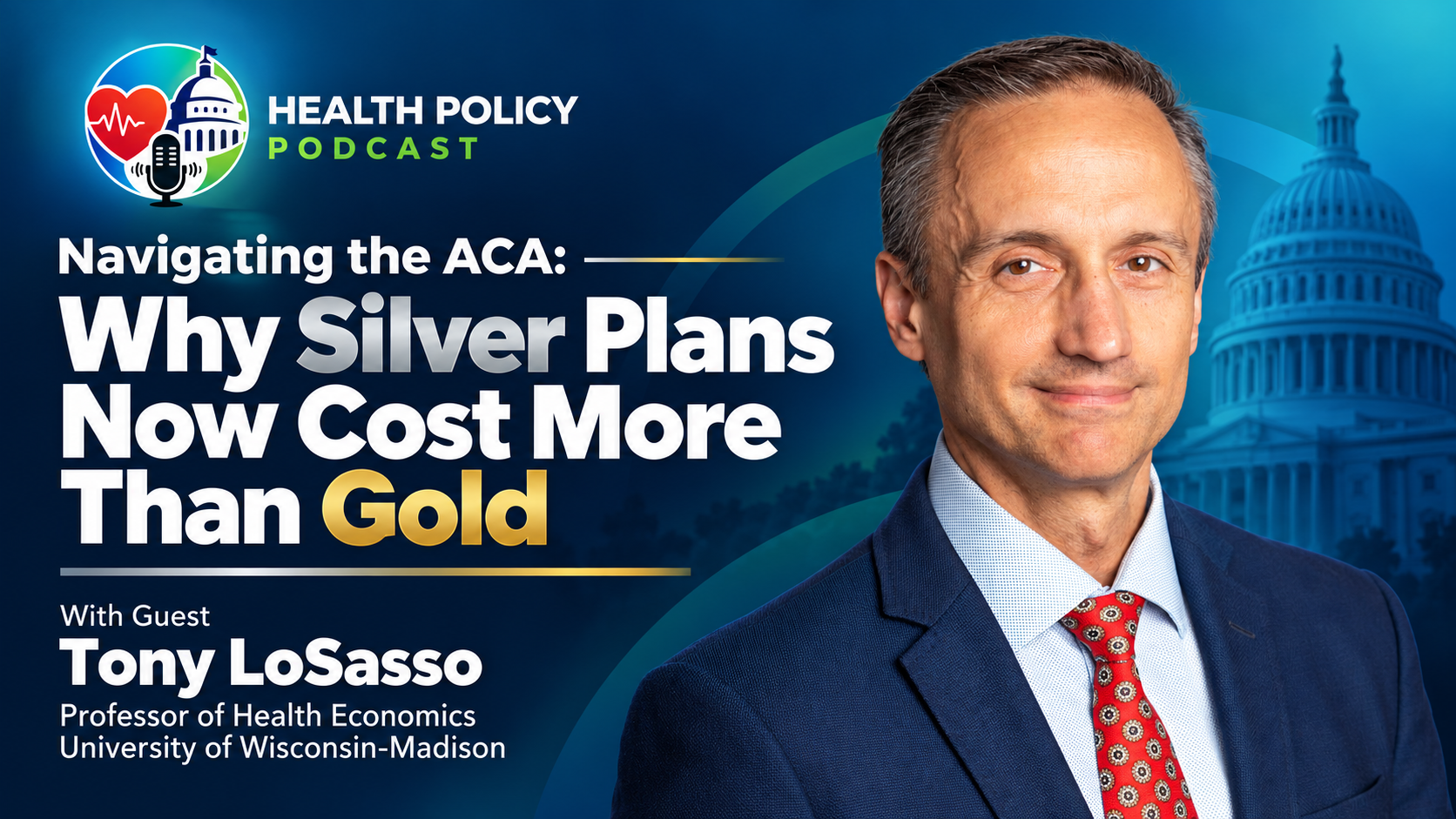
Why silver ACA plans now cost more than gold, with Tony LoSasso
Tony LoSasso
Misaligned incentives and policy design have left silver plans costing more than gold plans in many ACA marketplaces, says Tony LoSasso, a professor at the University of Wisconsin-Madison, in a Health Policy Podcast interview with Bryan Hyde. LoSasso explains how misaligned incentives and policy design have led to silver plans costing more than gold plans in many ACA marketplaces, a situation that has resulted in inflated premiums and disrupted enrollment. He proposes restructuring premium tax credits and funding cost-sharing subsidies to stabilize the market and reduce costs for consumers.
Rethinking Section 6001: The Case for Physician-Owned Hospitals
Reinier Schuur
Section 6001 of the Affordable Care Act restricts new physician-owned hospitals from receiving Medicare funding and should be reevaluated, says Reinier Schuur, a policy analyst at the Center for Modern Health, in a Health Policy Podcast interview with Bryan Hyde. They discuss Section 6001 of the Affordable Care Act, which restricts new physician-owned hospitals from receiving Medicare funding, and the implications for healthcare competition and market dynamics. Schuur argues for a reevaluation of this section, highlighting the need for a more equitable approach to healthcare ownership and the potential benefits of physician-owned hospitals.
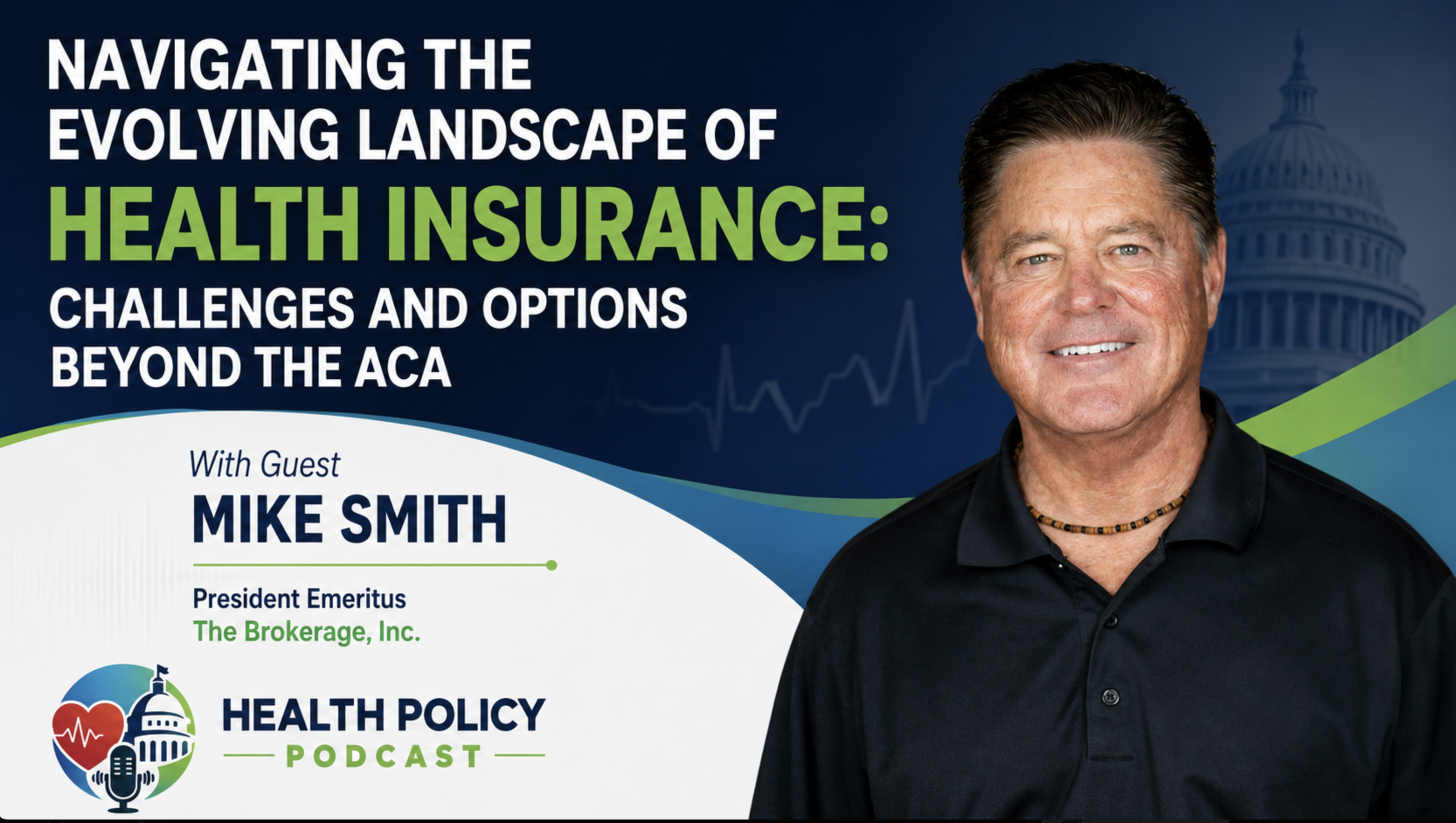
Health insurance after the ACA: Mike Smith on affordability, expired tax credits and options beyond Obamacare
Mike Smith
Affordability in health insurance has gotten harder after Affordable Care Act changes and the expiration of enhanced premium tax credits, says Mike Smith, president emeritus of The Brokerage, Inc., in a Health Policy Podcast interview with Bryan Hyde. They explore the challenges of affordability in health insurance, particularly following changes to the Affordable Care Act (ACA) and the expiration of enhanced premium tax credits. Smith outlines alternative options for consumers, including short-term health plans, healthcare sharing ministries, and group health insurance plans, while emphasizing the need for individuals to take responsibility for their health to mitigate rising costs.
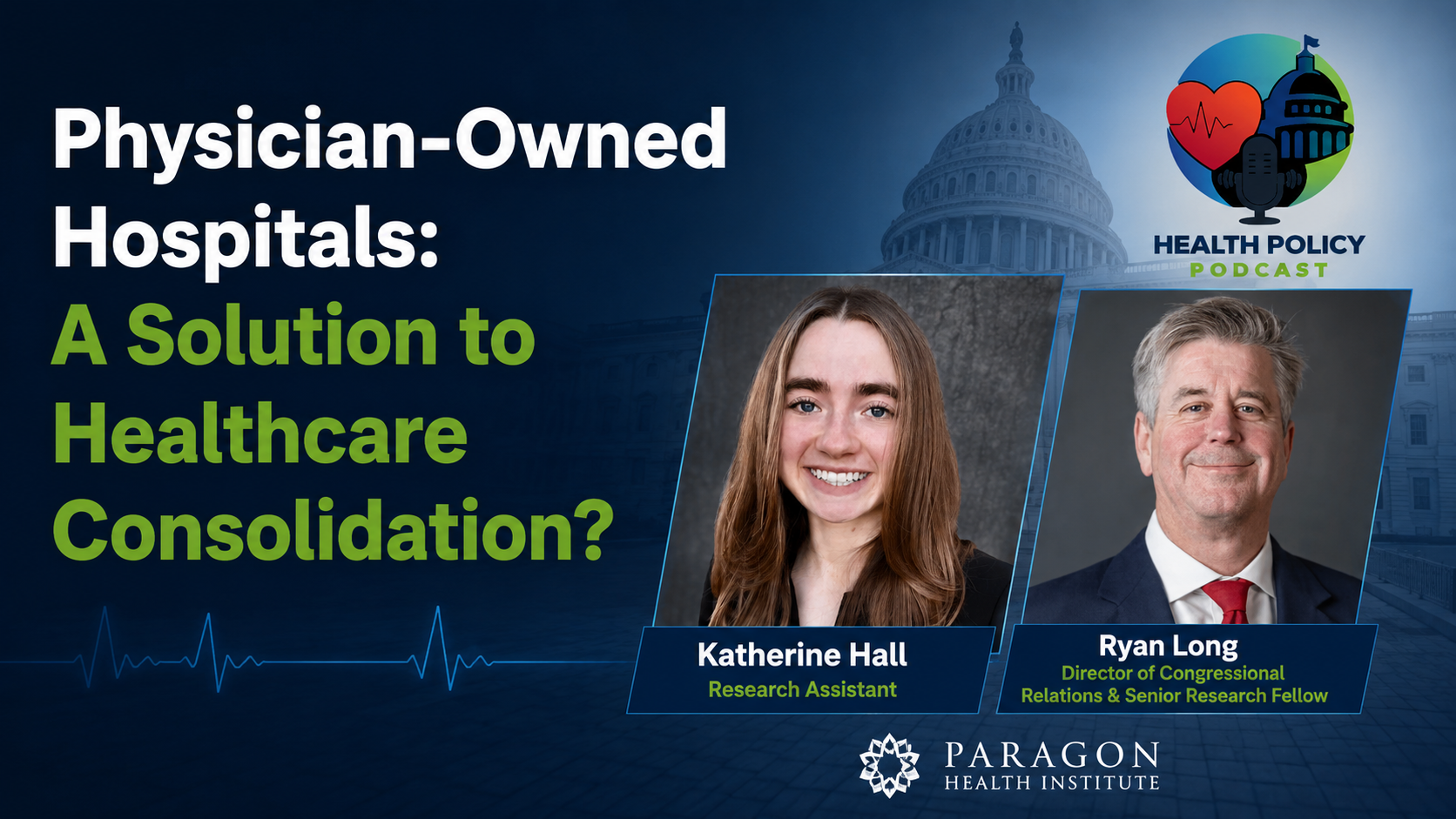
Physician-owned hospitals: Katherine Hall and Ryan Long on ACA rules they say block competition
Katherine Hall
Affordable Care Act restrictions on physician-owned hospitals have stifled competition and growth, particularly for affordability and access, argue Katherine Hall and Ryan Long of Paragon Health Institute. Hall and Long argue that restrictions imposed by the ACA have stifled competition and growth in the healthcare market, particularly affecting affordability and access. They advocate for Congress to repeal these restrictions to foster competition and improve healthcare outcomes.
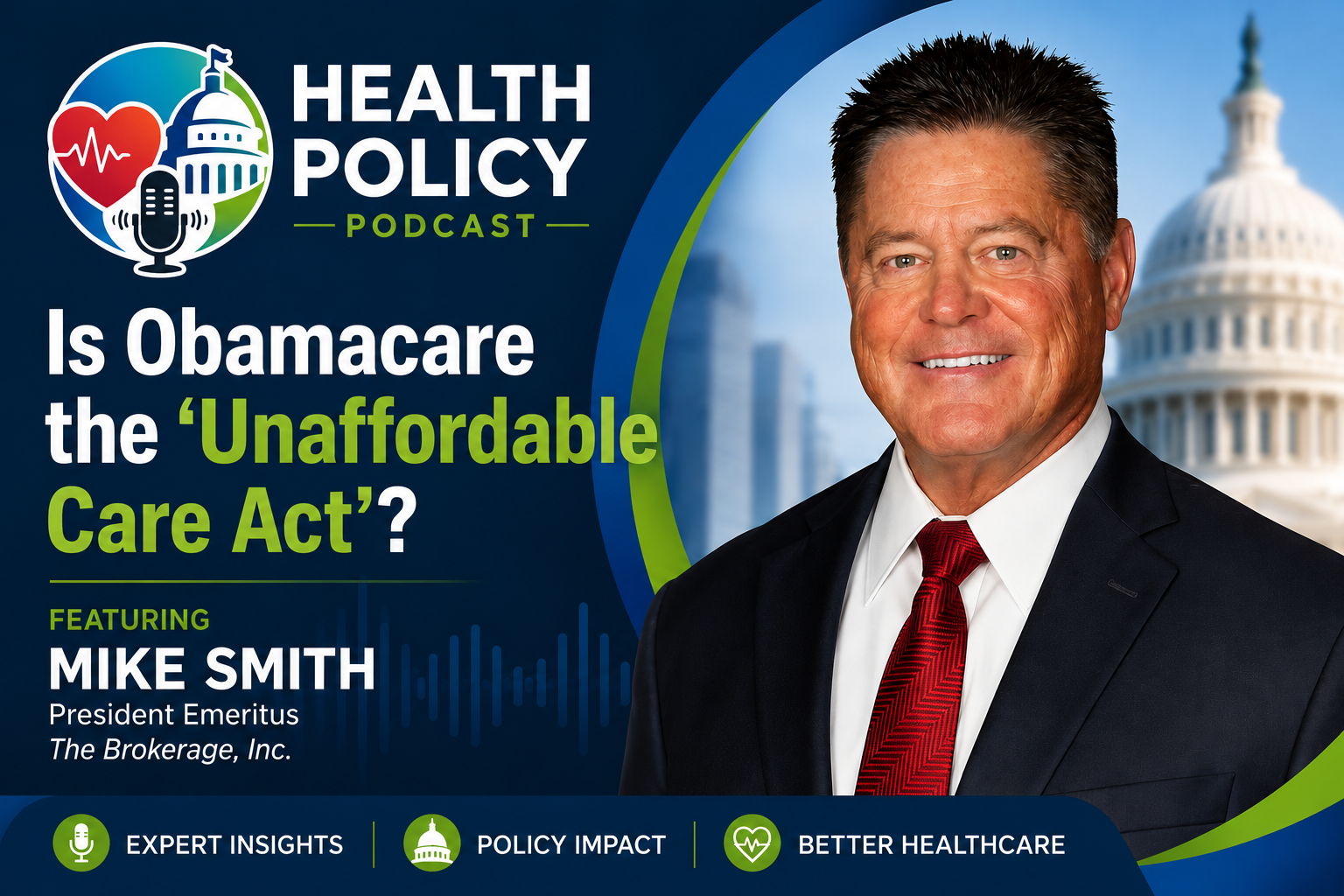
Is Obamacare the 'unaffordable care act?' Mike Smith on premiums, subsidies and the ACA's promises
Mike Smith
The Affordable Care Act has faced rising premiums and pressure from enhanced premium tax credits, says Mike Smith, president emeritus at The Brokerage, Inc., in a Health Policy Podcast interview with Bryan Hyde. Smith discusses the ACA's initial promises, the challenges it has faced, including rising premiums and the impact of enhanced premium tax credits, as well as the potential future of health care policy in America. He emphasizes the need for innovative solutions and possible government partnerships to address ongoing issues in the health insurance market.
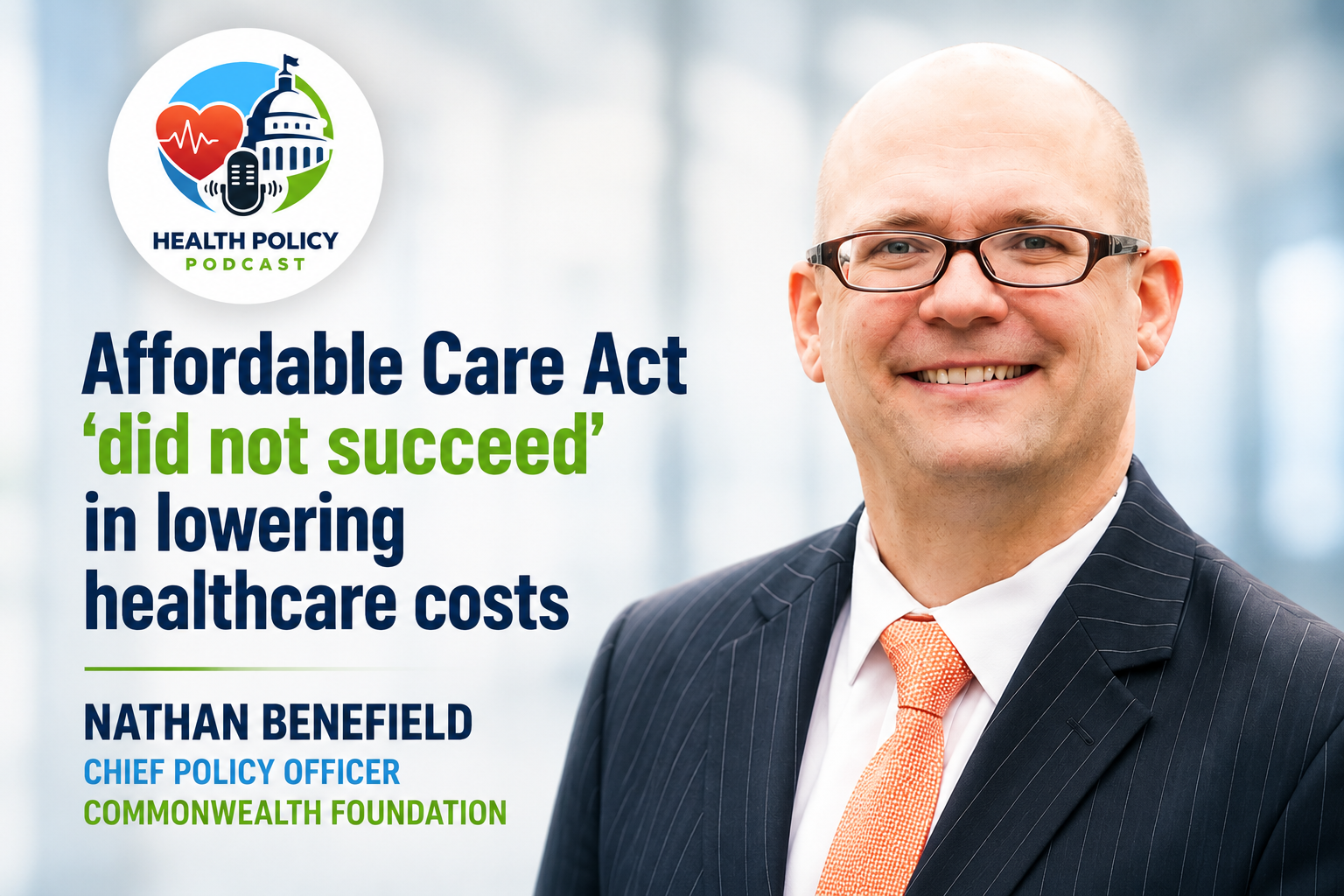
Why the Affordable Care Act isn't delivering affordability, according to Nathan Benefield
Nathan Benefield
The Affordable Care Act has not lowered costs as promised and should be reformed to empower patients and increase market competition, says Nathan Benefield, chief policy officer at the Commonwealth Foundation. Benefield critiques the ACA for failing to lower costs as promised and highlights the need for reform that empowers patients and increases market competition. He advocates for alternatives like health savings accounts and direct primary care to improve access and affordability in healthcare.
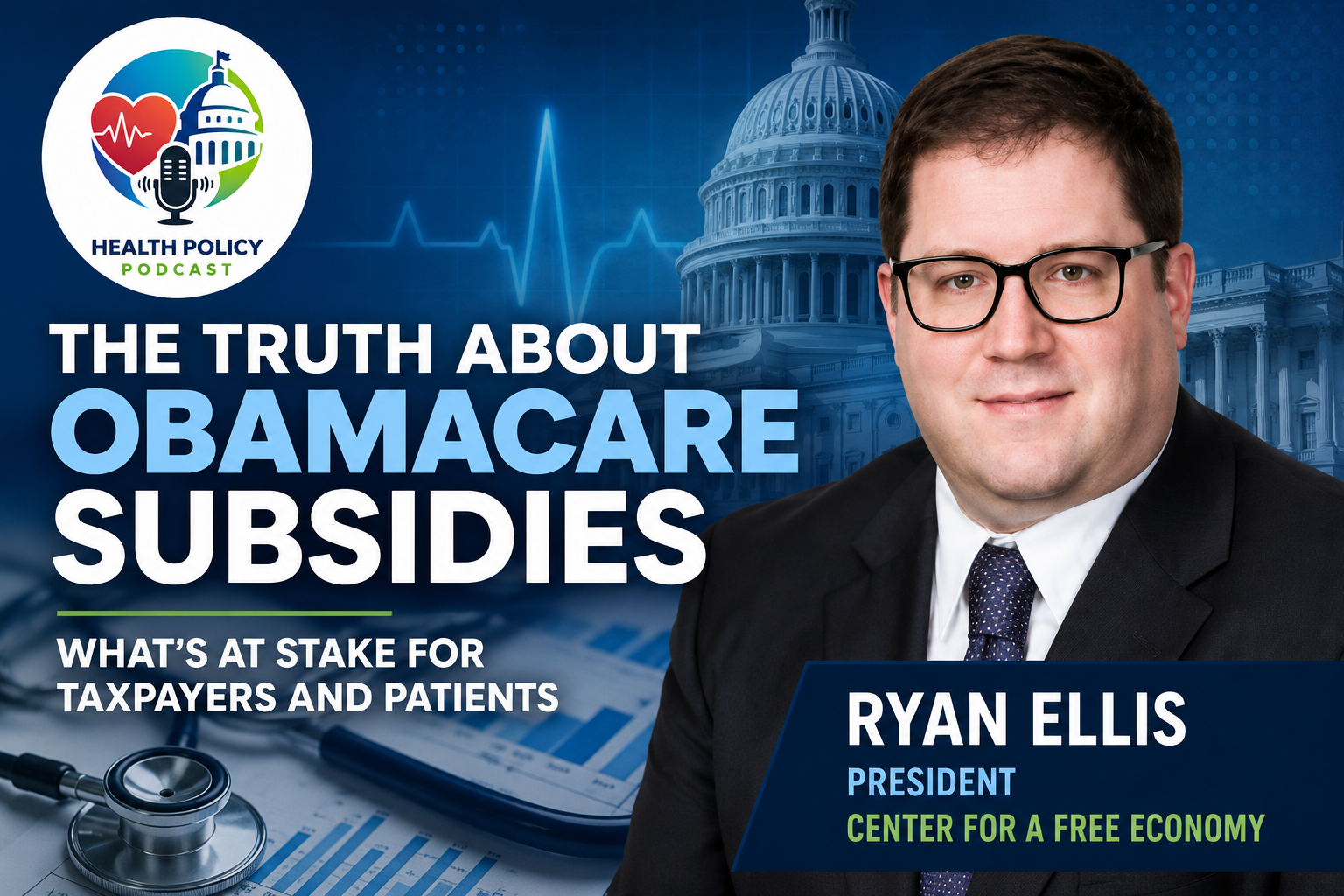
Center for a Free Economy’s Ryan Ellis on Why COVID-era Obamacare Subsidies Should Remain Expired
Ryan Ellis
COVID-era Obamacare subsidies should stay expired because the existing ACA framework already provides support for those in need, says Ryan Ellis, president of the Center for a Free Economy. Ellis argues that these subsidies should remain expired, as the existing Obamacare framework already provides necessary support for those in need. He emphasizes the importance of accountability and reform in government assistance programs, particularly in light of recent fraud cases in Minnesota.

Key quotes
“This is not a fraud thing. This is not a— there's not really even a quote unquote bad guy in this. It really is just about misaligned incentives and sort of bad policy design.”
“What happens then is that you get an inflated silver premium. And so, okay, what happens next? Well, along with that inflated silver premium comes an inflated premium tax credit.”
“It's actually a prohibition on new physician-owned hospitals from receiving Medicare dollars for seeing Medicare patients.”
“The data doesn't bear out the concerns that motivated Section 6001 to begin with.”
“The cost of the healthcare is reflected in the health insurance premiums, and therein lies the problem.”
“The challenge is always going to be affordability, and that's where we struggle as an industry.”
“It effectively meant new physician-owned hospitals could not open.”
“Healthcare affordability is a major concern right now. And central to this is hospital prices.”
“When the Affordable Care Act was promoted back in 2008, it was promoted in such a way that it'll be more affordable.”
“We almost have to call that the Unaffordable Care Act, because now all of a sudden we're seeing significant premium hikes.”
“The reality is, it didn't do that. Families are still seeing dramatic cost increases.”
“They should go back and say, 'Hey, what we created has not been working. We need a different approach.'”
“The COVID era Obamacare subsidies expired at the end of last year, and they should remain expired.”
“Obamacare made a lot of those products either illegal or functionally illegal, causing insurance premiums to go up and up every year.”
Related topics
- Healthcare Regulation →
- Healthcare Costs →
- Healthcare Access →
- Healthcare Reform →
- Affordable Care Act →
- Patient Advocacy →
- ACA costs and subsidies →
- Medicare Reform →
- Health Savings Accounts →
- Healthcare Affordability →
- Healthcare Competition →
- Physician-Owned Hospitals →
- Government Spending →
- Healthcare Consolidation →
- Market Disruption in Healthcare →
- Obamacare Subsidies →
- Premium Tax Credits →
- Welfare Reform →